
This autumn has been an active period for NIT. The 2026 season at Tell Kurdu ran from July to September. In September, we co-organised an international symposium on prehistoric pottery in Kahramanmaraş, and October followed with the Water and Heritage Futures workshop, the Who Cares? symposium with DAI and BIAA, and the Connecting Constantinople masterclass. In November, we participated in the COP31 with a panel on heritage as climate infrastructure. Most of our autumn fellows have completed their residencies, and their projects are presented below.
Looking ahead, we will take part in NIT Day in Groningen in December and host the Sacred Encounters symposium in Istanbul in March 2027. Applications for our spring fellowships are open until 3 January 2027.
Upcoming Events
NIT Day in Groningen
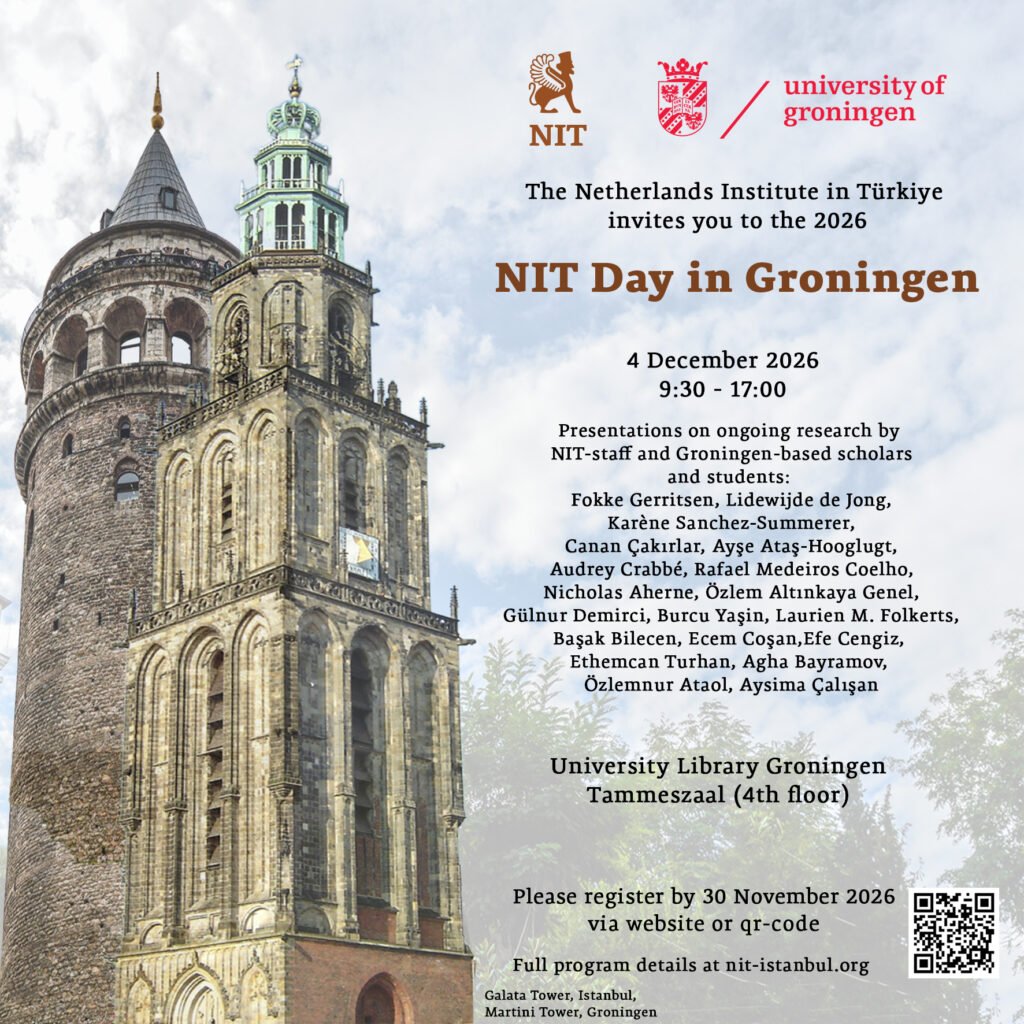
The NIT Day in Groningen will take place on 4 December 2026 at the University Library Groningen. On NIT Day, you can learn about the activities and programmes of the Netherlands Institute in Türkiye. The day showcases research on Türkiye by NIT staff and Groningen-based scholars. You can attend presentations by staff and fellows, hear former fellows reflect on their time in Istanbul, and meet or reconnect with NIT staff and alumni. Please register to attend the event through NIT’s website or the QR code on the poster by 30 November 2026.
Sacred Encounters: Religious Interactions in the Aegean and Eastern Mediterranean from the Bronze Age to the Roman Imperial Period Symposium
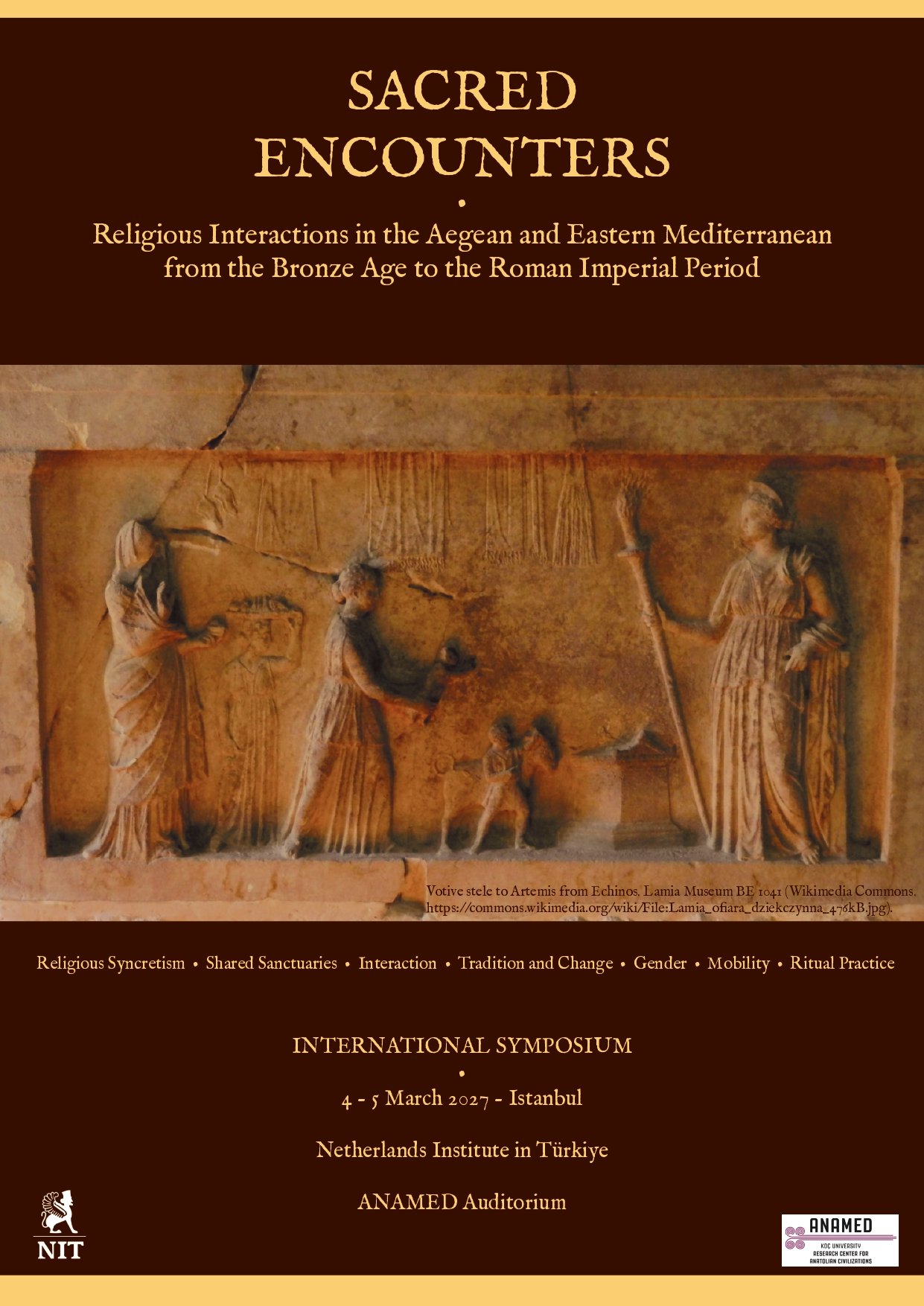
We are pleased to announce the SACRED ENCOUNTERS: Religious Interactions in the Aegean and Eastern Mediterranean from the Bronze Age to the Roman Imperial Period symposium, which will be held in Istanbul on 4−5 March 2027, hosted by the Netherlands Institute in Türkiye (NIT), and will consist of two conference days in the ANAMED auditorium.
Recent Events
Tell Kurdu Höyük Excavations 2026 Field Season
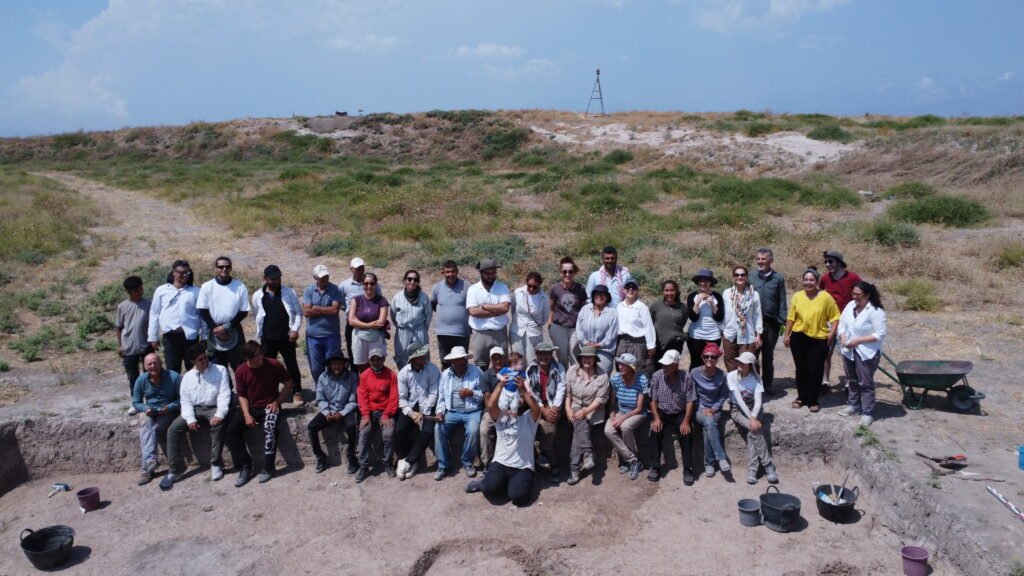
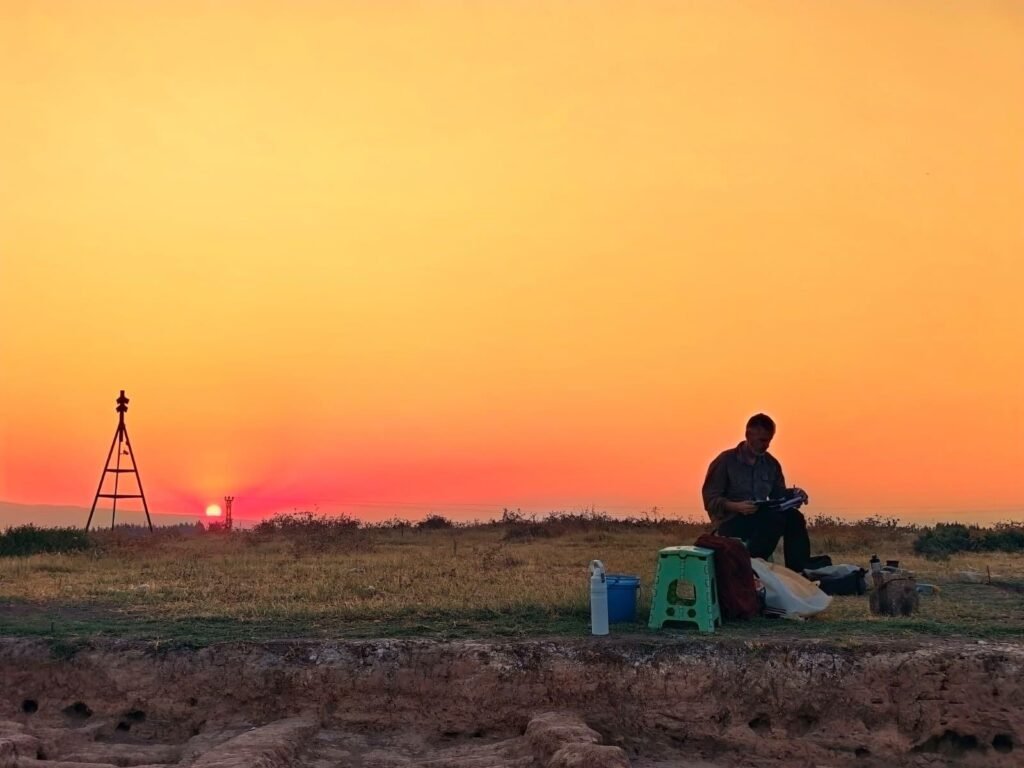
The Tell Kurdu Excavation Project investigates a large settlement site dating from the sixth and fifth millennia BCE in the Amuq Plain in the southern province of Hatay. The excavations are co-directed by Rana Özbal (Koç University) and Fokke Gerritsen (Netherlands Institute in Türkiye). The excavations have been ongoing since 2022.
The 2026 season of the Tell Kurdu Excavations took place from July to September. We continued excavating the Amuq E and Amuq C (6th millennium BCE) occupations, along with the transitional Amuq D phases.
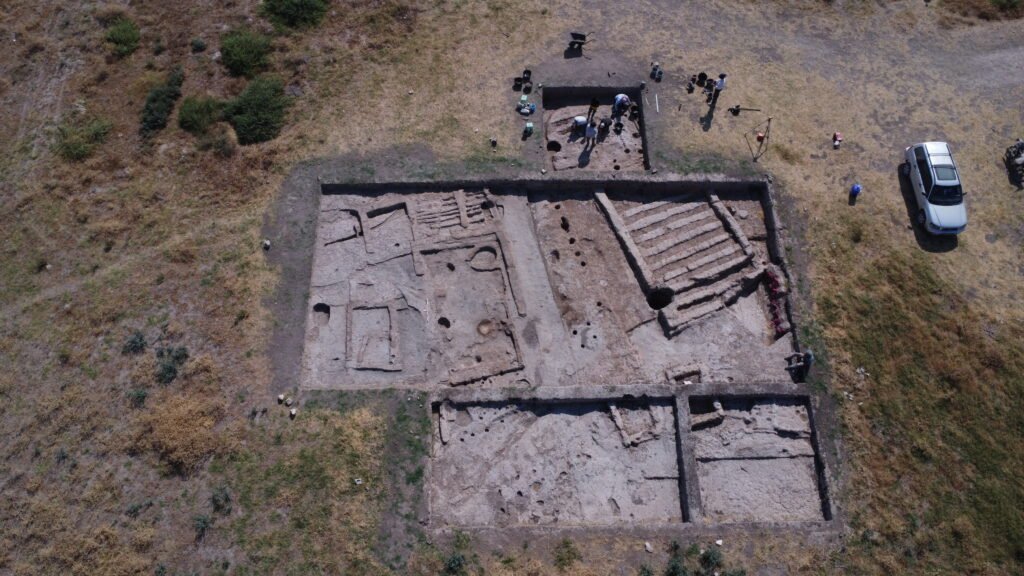
Alongside the two grill plan buildings that were exposed last year, a third grill plan building was exposed at the top of the mound. We further excavated the street and expanded the neighbourhood in the Amuq E area by opening two new trenches in this area.
The Amuq C neighbourhood to the east of the site has become much clearer this year. New structures associated with the ones exposed last year were uncovered. The layout of the Amuq C period neighbourhood with houses, fire installations, courtyards and streets has become much clearer.
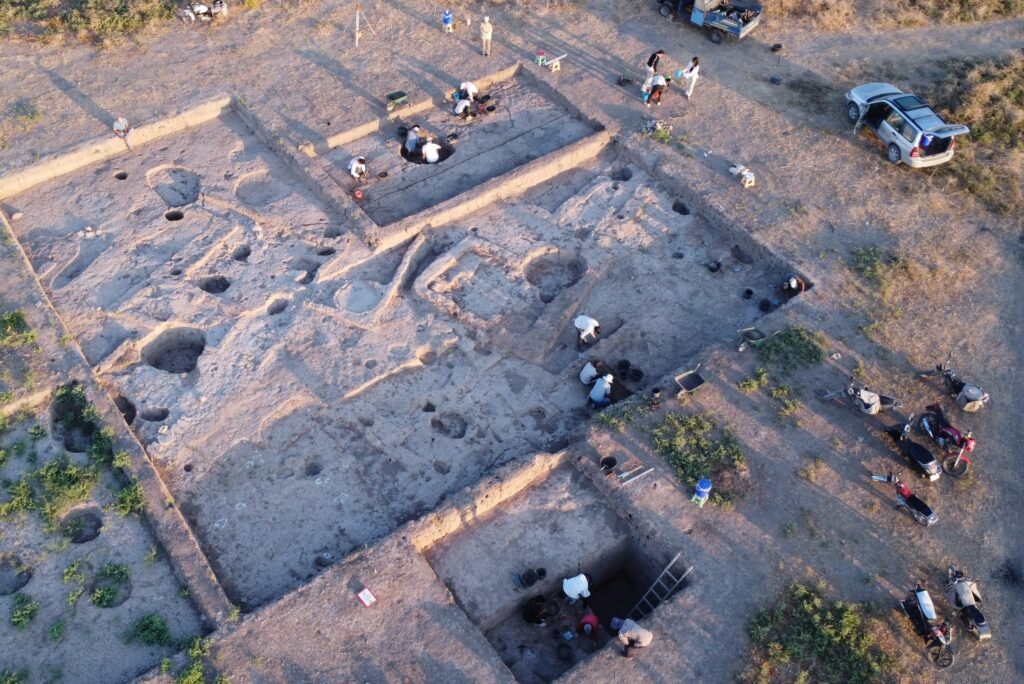
Last year we had already started excavating the transitional Amuq D phase. This year, we focused on this relatively understudied period and uncovered pits where large concentrations of animal bones were deposited.
International Workshop Prehistoric Pottery in Upper Mesopotamia and Beyond (7000-4000 BCE)
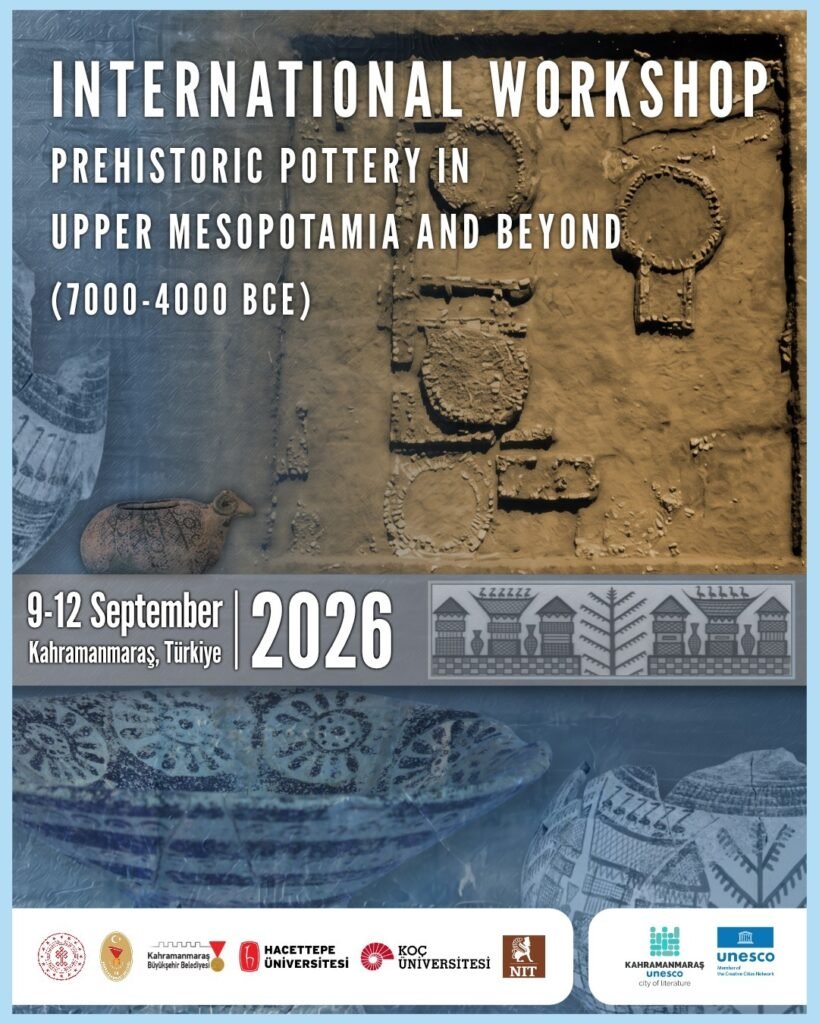
Pottery from settlements dating to 7000–4000 BC was the subject of an international workshop held in Kahramanmaraş from 9 to 12 September. Co-organised with Halil Tekin (Hacettepe University) and Rana Özbal (Koç University), the International Workhop Prehistoric Pottery in Upper Mesopotamia and Beyond (7000-4000 BCE) looked at assemblages from sites along the foothills of the Amanos, Taurus, Caucasus, and Zagros ranges, and to trace signs of social change in them.
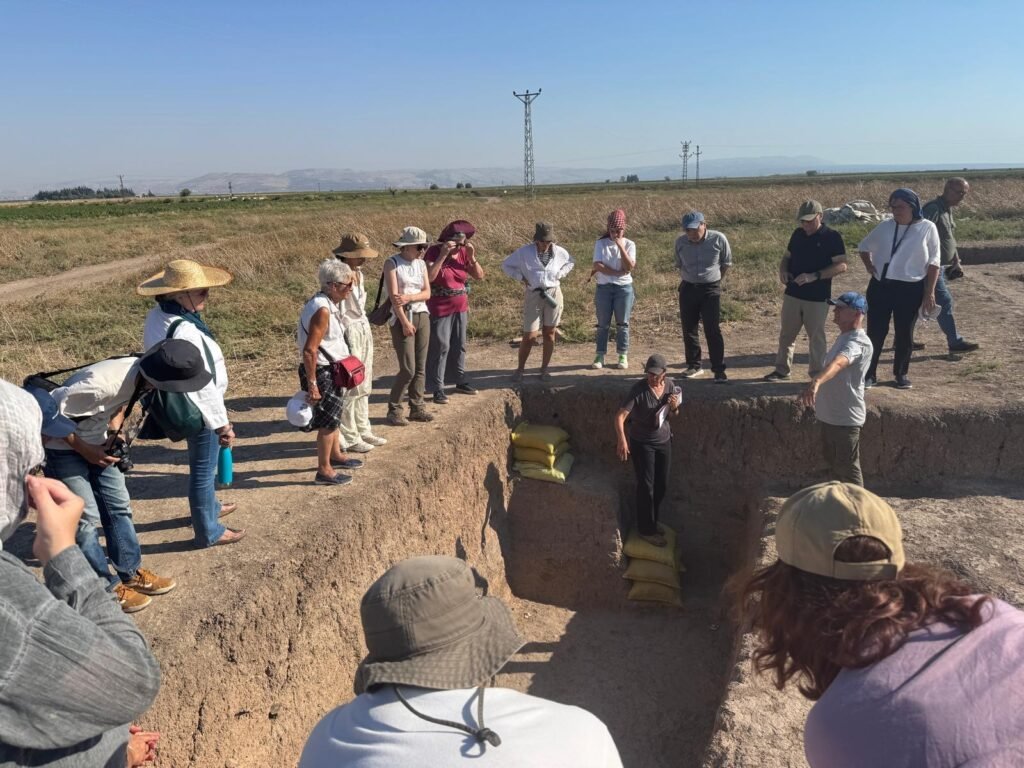
Over two days, papers and sessions moved from Cilicia, the Amuq, and Kahramanmaraş to the Caucasus, northern and eastern Mesopotamia, the Zagros, and the Upper Tigris. The remaining days were spent in the field, with visits to the Domuztepe excavations and, in Hatay, to Tell Kurdu.
Back to the beginning: The origins of the Anatolian hieroglyphs from a historical, philological and linguistic perspective
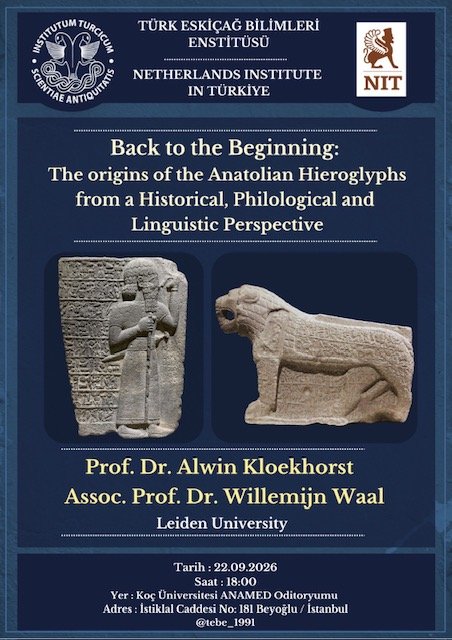
Alwin Kloekhorst and Willemijn Waal, both of Leiden University, revisited the much-debated question of where Anatolia’s indigenous hieroglyphic script came from and how widely it was used in their lecture Back to the Beginning: The Origins of the Anatolian Hieroglyphs from a Historical, Philological and Linguistic Perspective. Presented at the ANAMED Auditorium on 22 September in collaboration with TEBE, the talk drew on newly discovered archaeological, philological, and linguistic evidence. The speakers argued that the script was probably more widely used than generally assumed and that it predates the arrival of cuneiform in Anatolia. They also argued that it was already in use during the Old Assyrian period, with roots that may reach even earlier.
Water and Heritage Futures: Learning, Conserving, Adapting Workshop


From 19 to 21 October, we brought together 22 heritage professionals and researchers from around the world for Water and Heritage Futures: Learning, Conserving, Adapting, a workshop on the many relationships between water and heritage. The workshop was organized with Middle East Technical University (METU), the Cultural Heritage Agency of the Netherlands (RCE), and Radboud University (RU), with the support of the Netherlands Consulate-General in Istanbul. The programme combined invited talks, field visits, workshops, and discussion sessions. Participants included academic researchers, PhD candidates, heritage professionals, and representatives of governmental and non-governmental organisations. They shared experiences across disciplines, professions, and regions, built international networks, and explored ideas for future collaborative projects.
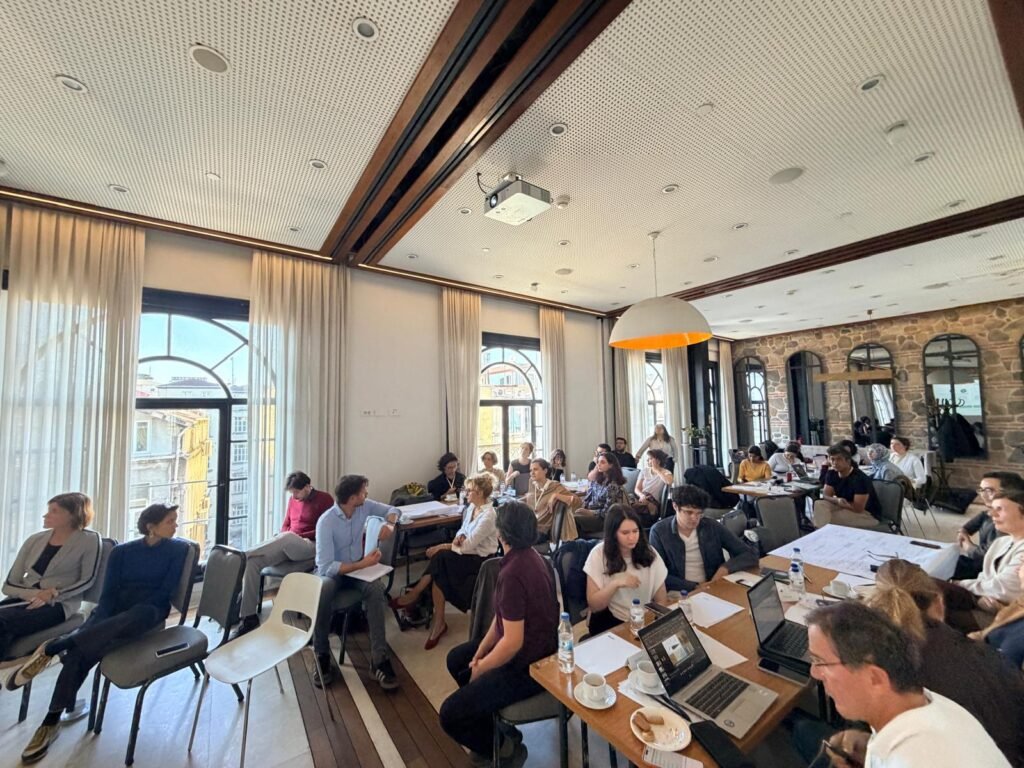
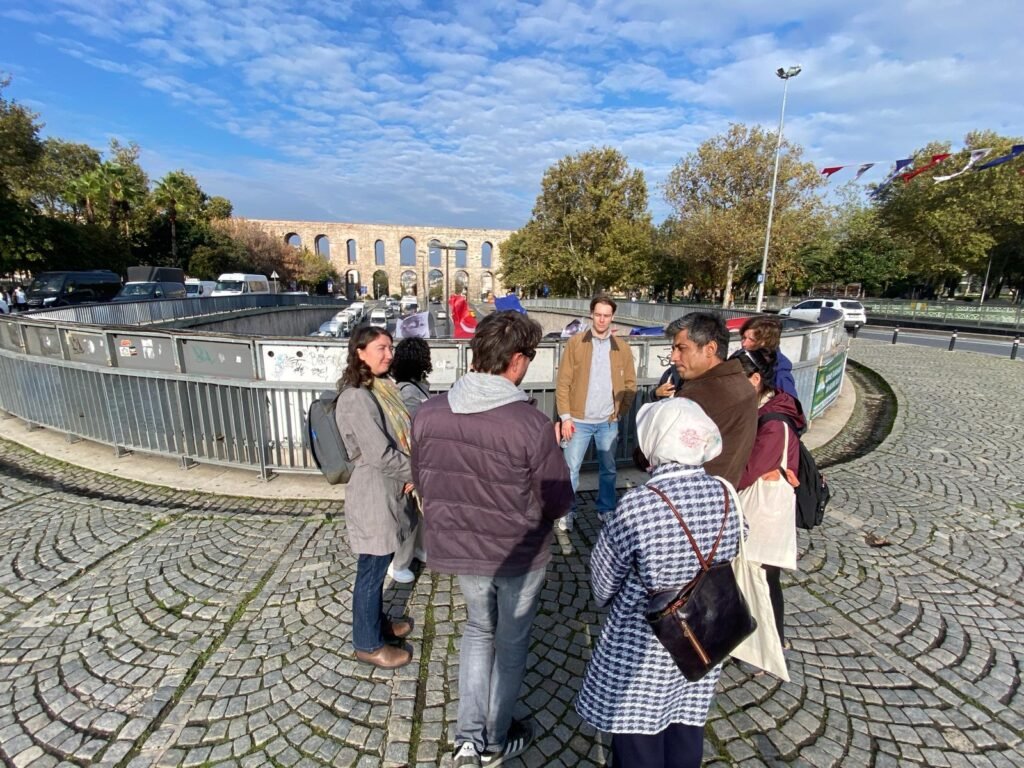
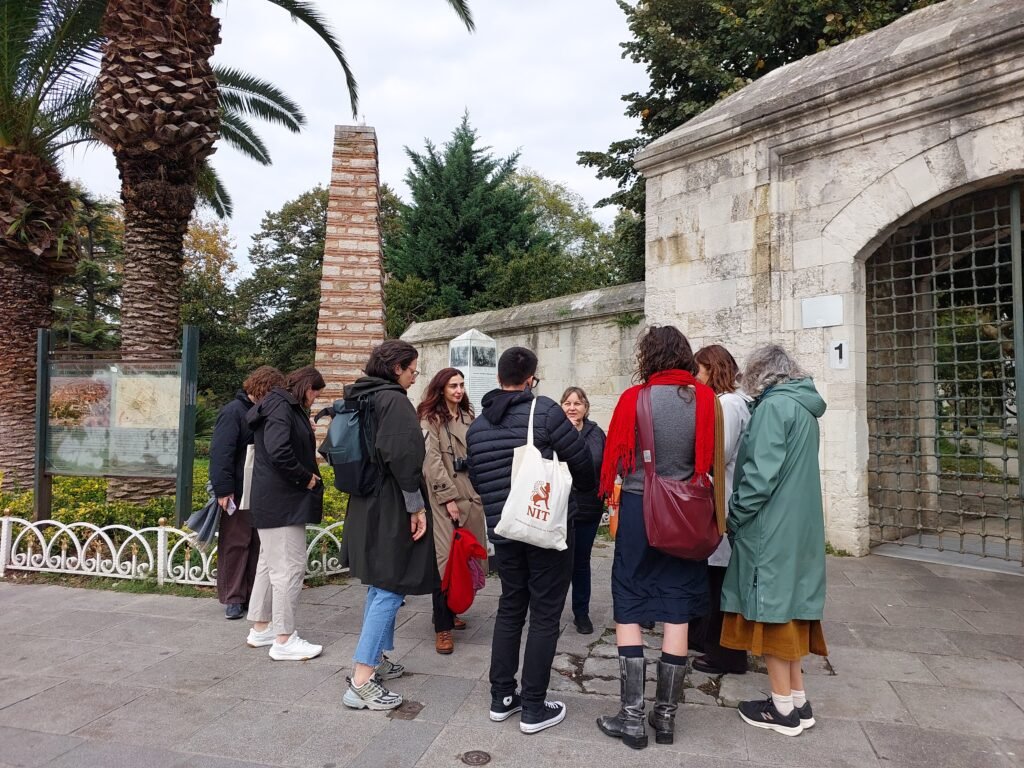
The workshop opened on 19 October at the Netherlands Consulate-General, where participants presented their ongoing research and mapped key themes linking water and heritage. In the afternoon, they explored Istanbul’s water heritage on part of the Istanbul Water Heritage Walk on the KarDes App. The programme centred on three themes: how heritage helps us understand the present and learn from the past, how it can be protected from and adapted to water-related threats, and how it can contribute to solutions for future water challenges.
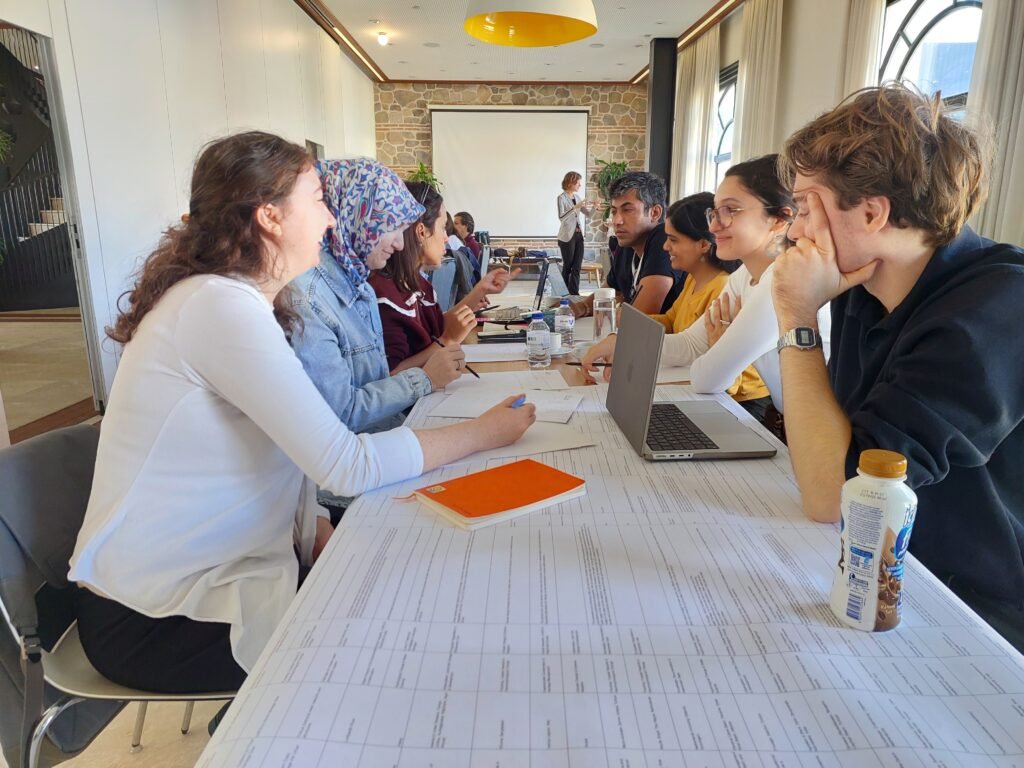
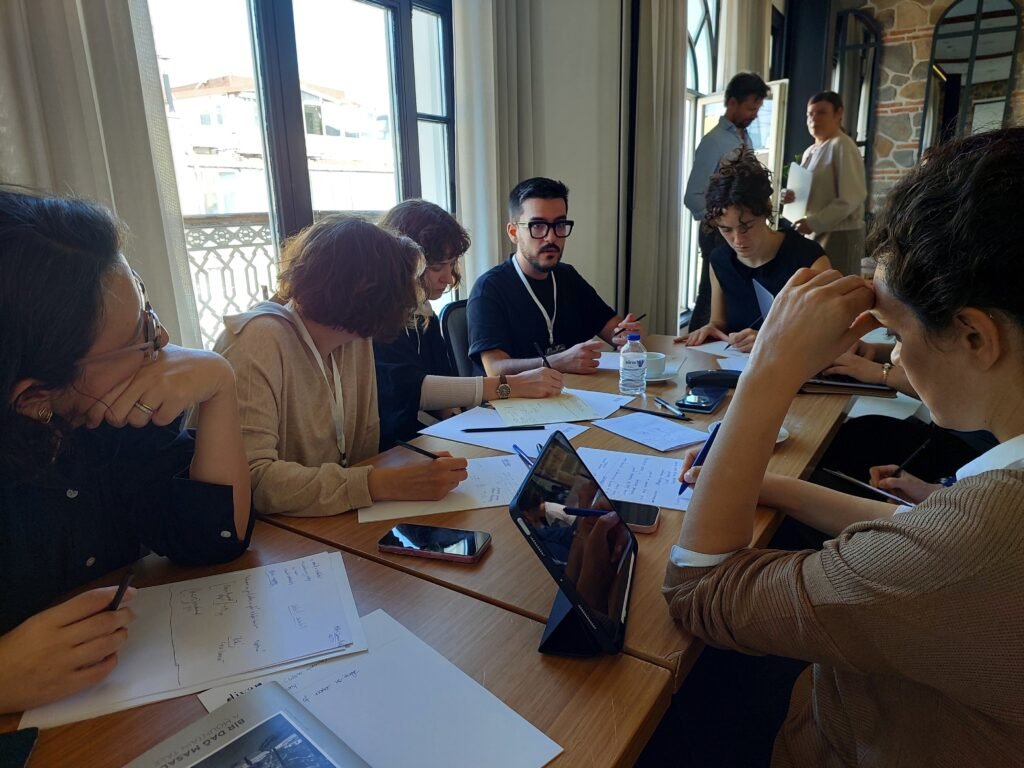
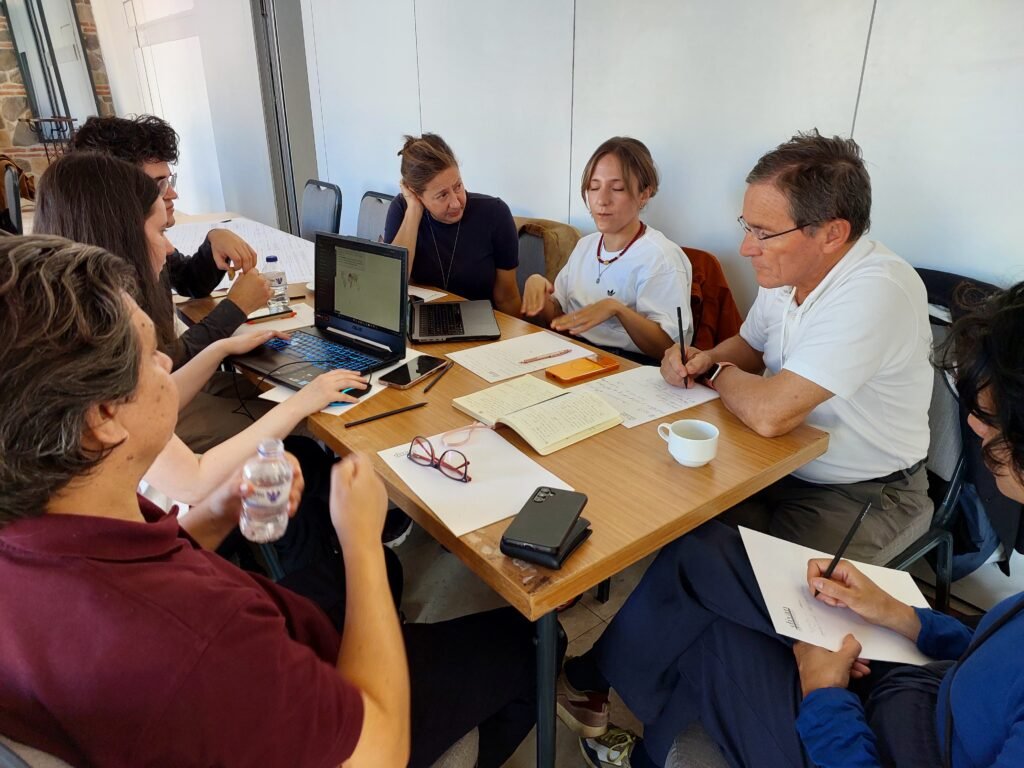
Invited speakers Jean-Paul Corten, Lotte Zaaijer, Suzanne Loen, Meltem Uçar, Pınar Yoncacı Arslan, and Meisha Hunter led discussions on a range of water and heritage topics on the second day. Participants then took part in a workshop on heritage under water-related pressure, followed by group brainstorming sessions. The programme closed on 21 October with final reflections and group presentations that grew out of those sessions.
Who Cares? Rethinking Heritage Protection Through Care Workshop
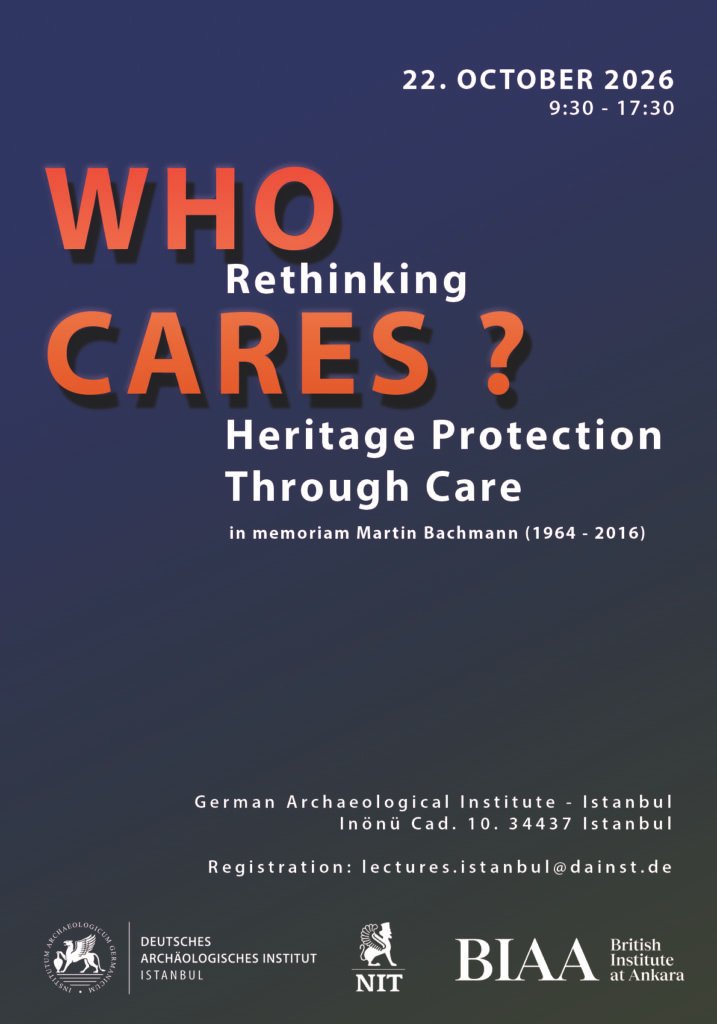
On 22 October, we co-organized the workshop Who Cares? Rethinking Heritage Protection Through Care, hosted by the German Archaeological Institute (DAI) in Istanbul in cooperation with the British Institute at Ankara (BIAA). The day honoured Martin Bachmann, the DAI’s second director in Istanbul, and brought together scholars from archaeology, anthropology, law, geography, and heritage studies. Together, we explored heritage as something sustained through ongoing care, not through technical or legal measures alone. The morning began with talks on how care can be conceptualised. In the afternoon, the three institutes discussed what care means in practice, drawing on our own work in Türkiye. A closing roundtable turned to responsibility and authority: who decides what counts as care, and does caring always mean preserving?
Connecting Constantinople: The City and the World in Objects NIT Masterclass
The Connecting Constantinople: The City and the World in Objects masterclass took place at NIT from 25 to 27 October, organised with the Connecting Constantinople project and led by Dr. Kay Boers (University of Amsterdam) and Dr. Rolf Strootman (Utrecht University).
Twenty (R)MA and PhD students from Dutch and Turkish universities explored how objects shaped connections between Constantinople and other cities, using object mobility as their lens. The program began with a city walk through sites such as Hagia Sophia, the Hippodrome, and the Süleymaniye Mosque, including a boat trip following the route of the Ottoman coronation sword.
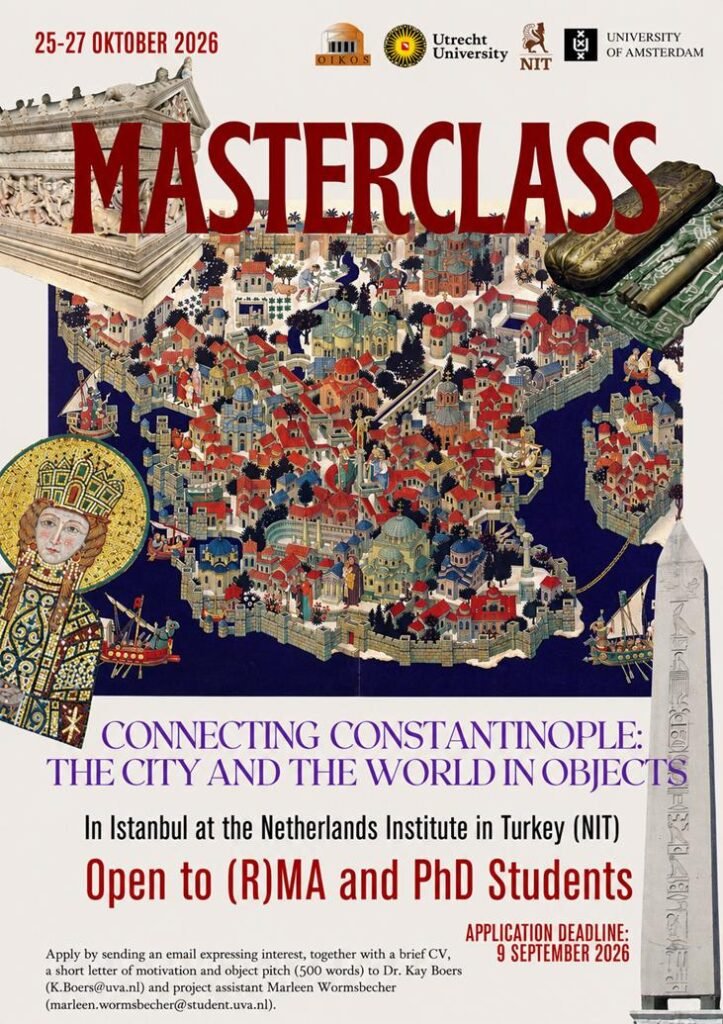
Two seminars at NIT looked at objects that arrived in the city and those that left it. Between them, student groups visited the Istanbul Archaeological Museums, Topkapı Palace, and the Museum of Turkish and Islamic Arts to work on their chosen objects, then presented them to a leading expert in the field.
Heritage as Climate Infrastructure: Living Labs for Resilient Cities
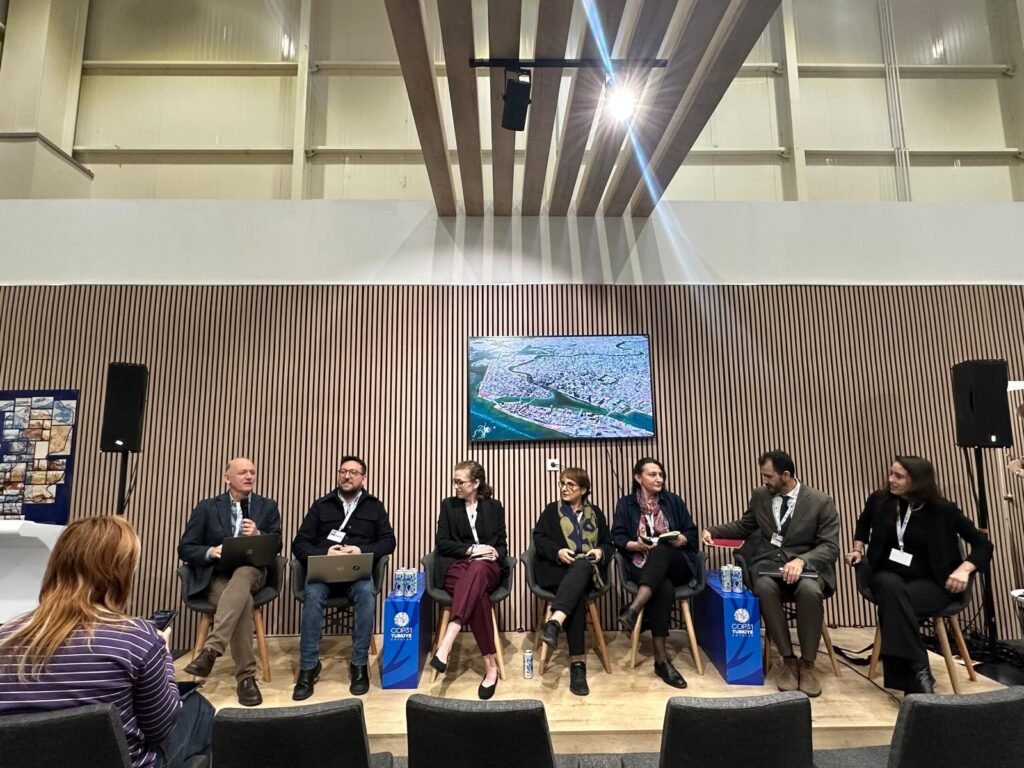
Heritage as climate infrastructure was the theme of our COP31 panel, “Heritage as Climate Infrastructure: Living Labs for Resilient Cities,” held at the Blue Zone Türkiye Academy Pavilion on Thursday, 12 November. The session started from the idea that cultural heritage is not only vulnerable to climate change but can also contribute to climate action. Historic urban and rural landscapes, archaeological sites, and cultural landscapes can strengthen climate resilience, support adaptation, promote circular and low-carbon transformation, and enhance community well-being.
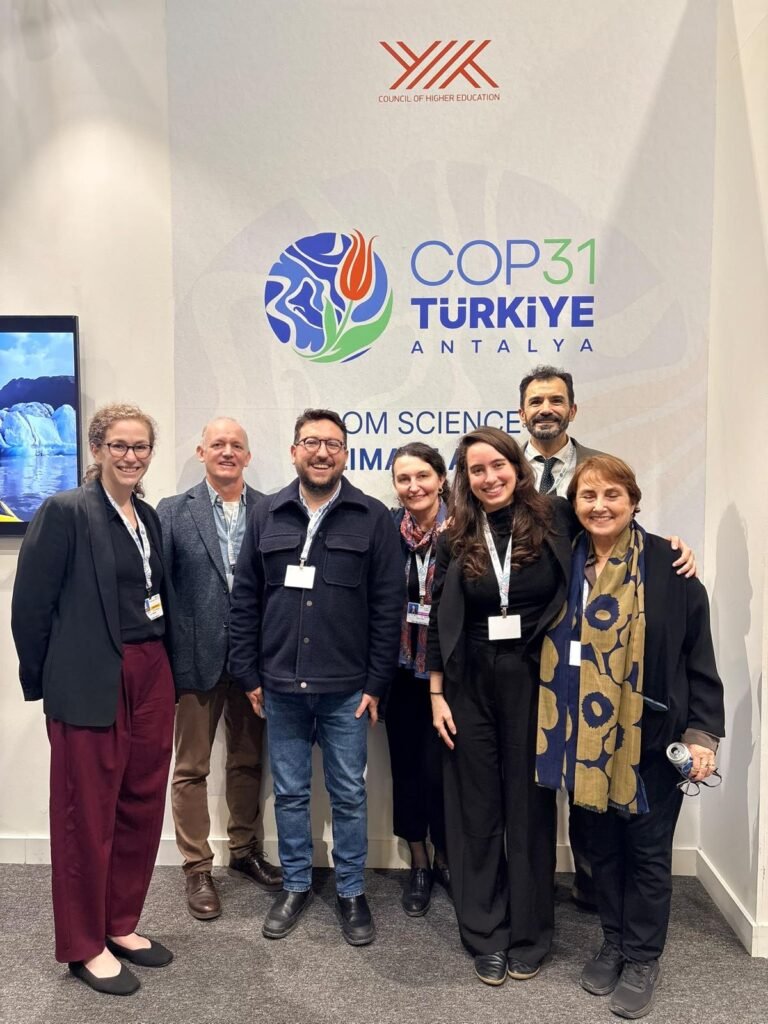
Speakers representing academia, international organizations and NGOs considered how heritage can contribute to both adaptation and mitigation through interdisciplinary, place-based approaches. A particular focus was Heritage Living Labs, collaborative and educational spaces where local governments, researchers, civil society, communities, and international organisations come together to explore local responses to climate challenges and to build knowledge and capacity. Drawing on a range of heritage contexts, the discussion addressed opportunities, governance and implementation challenges, and future pathways for integrating cultural heritage into climate action.
Leiden University Critical Heritage Studies of the Ancient Near East Course Visit at NIT
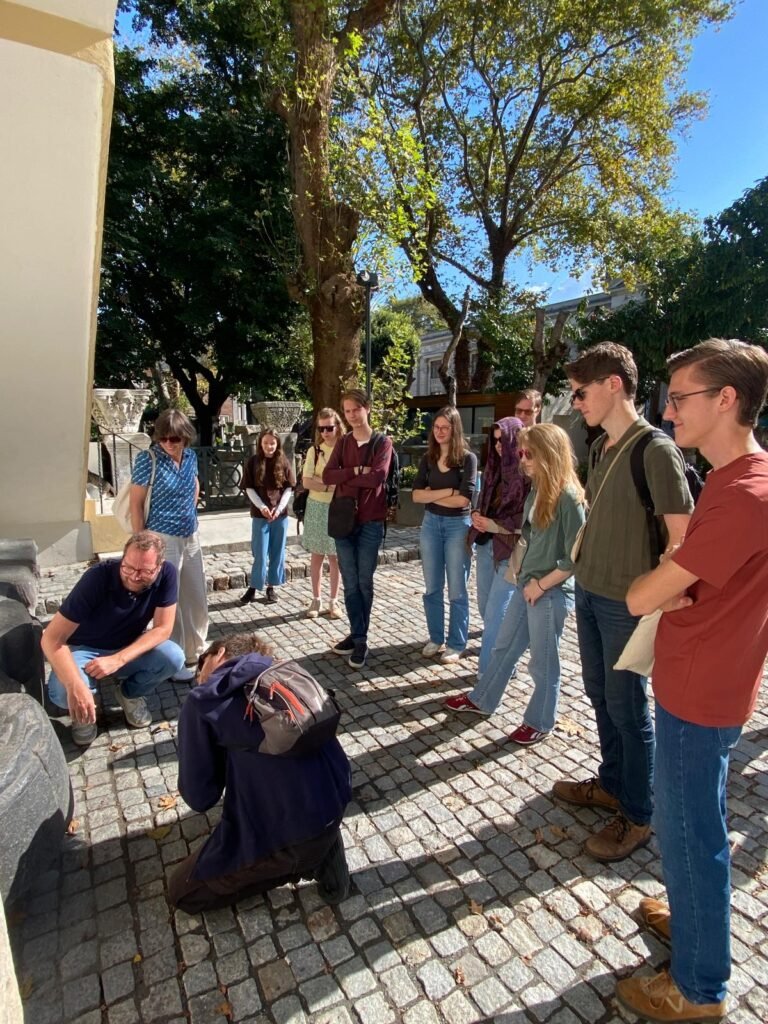
Between September 22 and 24, a group of students from Leiden University Critical Heritage Studies of the Ancient Near East Course visited Istanbul as part of their course excursion. They visited various sites in Istanbul and visited NIT on September 22. We told them about NIT’s activities and programs, and they attended the evening lecture, Back to the beginning: The origins of the Anatolian hieroglyphs from a historical, philological and linguistic perspective.
NIT Fellowships
Apply for NIT Spring 2027 Fellowships!

In the spring of 2027, NIT offers two types of fellowships for a research stay at the Netherlands Institute in Türkiye (Istanbul). The application deadline is 3 January 2027. Please go here for more information about the fellowships and the application form.
Residential Fellowships
NIT offers four residential fellowships for the spring of 2027. This fellowship offer includes free accommodation in an apartment near the institute and 24/7 access to the NIT library for a period of four weeks.
Deadline for applications: 3 January 2027
Fellowship periods
Period 1: 15 March – 11 April 2027 (2 fellowships)
Period 2: 12 April – 9 May 2027 (2 fellowships)
Non-Residential Fellowships
NIT offers two non-residential fellowships during the spring of 2027. This fellowship includes an allowance of 400 Euros for travel and living expenses and 24/7 access to the NIT library.
Deadline for applications: 3 January 2027
Fellowship period
One month or longer between 15 January and 15 June 2027. Non-residential fellowships are reserved for researchers who plan to spend at least one month conducting research in Istanbul.
Recent Fellows
In the autumn of 2026, the NIT library welcomed five fellows working on a range of topics from Roman sarcophagi to smuggling Islamic art in the Ottoman period. As always, fellows presented their findings in a ‘library talk’ for the NIT community. They will write blog posts for NIT’s blog in the following weeks.
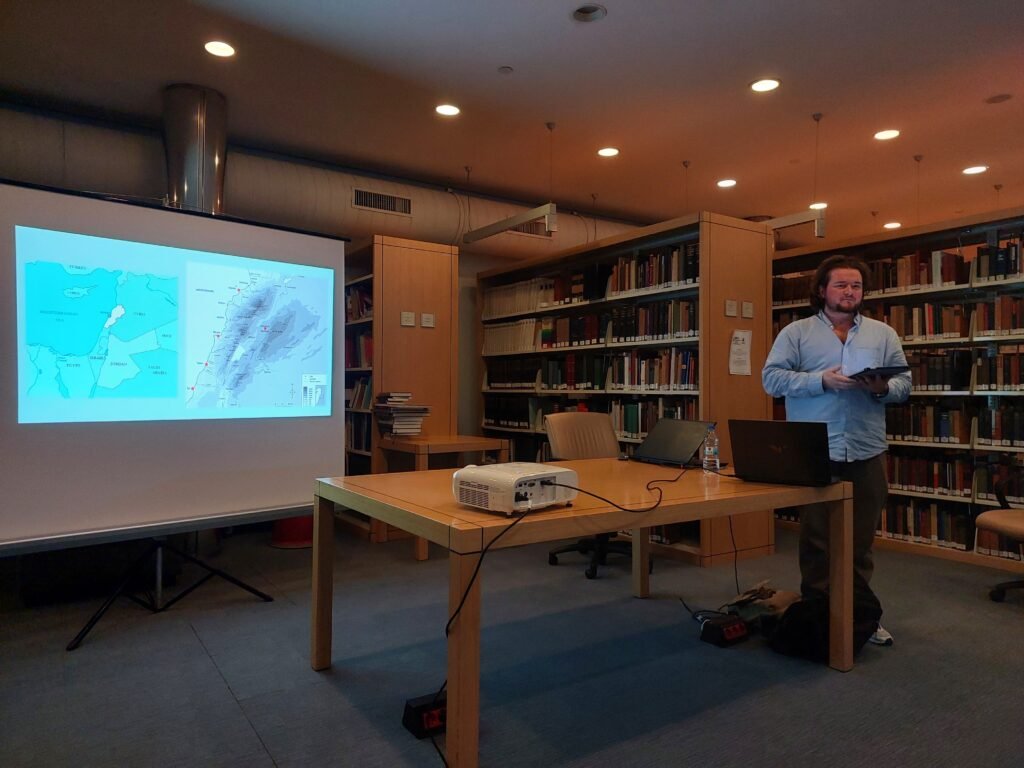
Nicholas Aherne (University of Groningen) examines half-fabricated garland sarcophagi produced in Asia Minor in his project Playing with Plurality: The Making and Meaning of Half-fabricated Sarcophagi of Asia Minor and the Roman Empire. Long dismissed as unfinished or economically expedient, these sarcophagi are reread as a deliberate aesthetic strategy that invited multiple interpretations, shaped by workshop practice, patrons, and local context. By analyzing around 150 examples shipped from Proconnesus and Assos to Roman Phoenicia, the research aims to place local funerary practices within empire-wide patterns of commemoration.
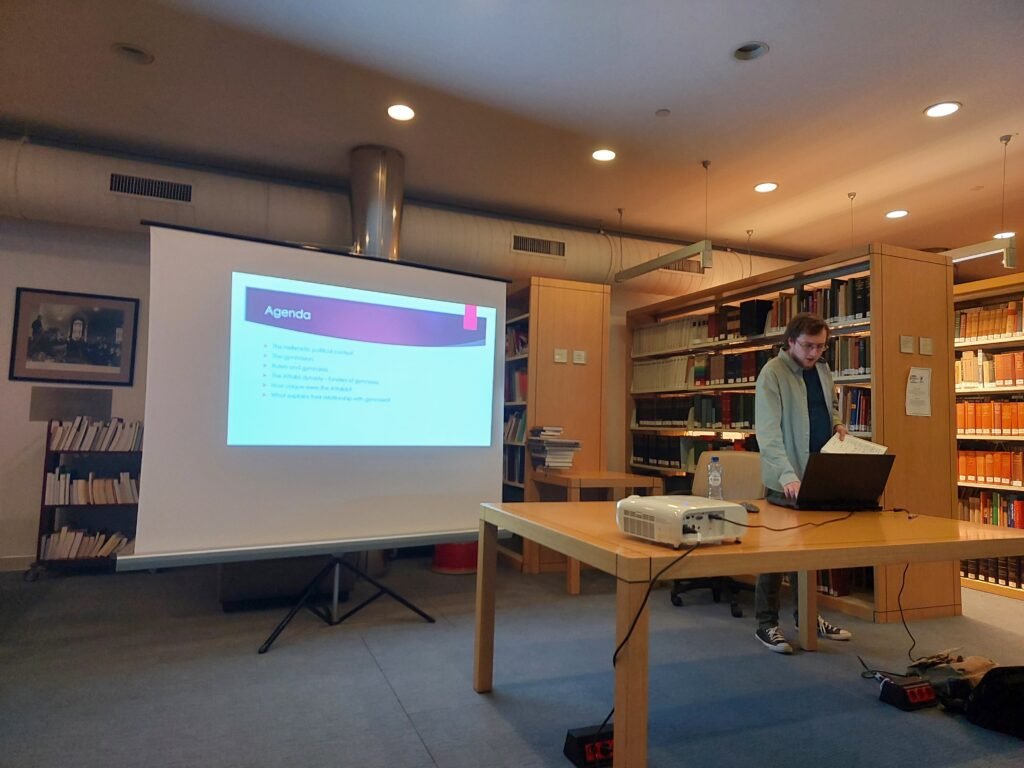
Thomas Britton (University of Groningen) focuses on the political roles of sporting culture in Hellenistic cities and its ties to ideas about monarchy in his project, Hermes, Herakles and the Kings: Negotiating Royal Authority in the Gymnasia of Hellenistic Anatolia. By systematically comparing the largely epigraphic evidence for Attalid interactions with gymnasia in Anatolia and beyond against that for the other major dynasties, the research aims to show how far royal funding of these civic schools translated into ideological influence over the young elite they trained.
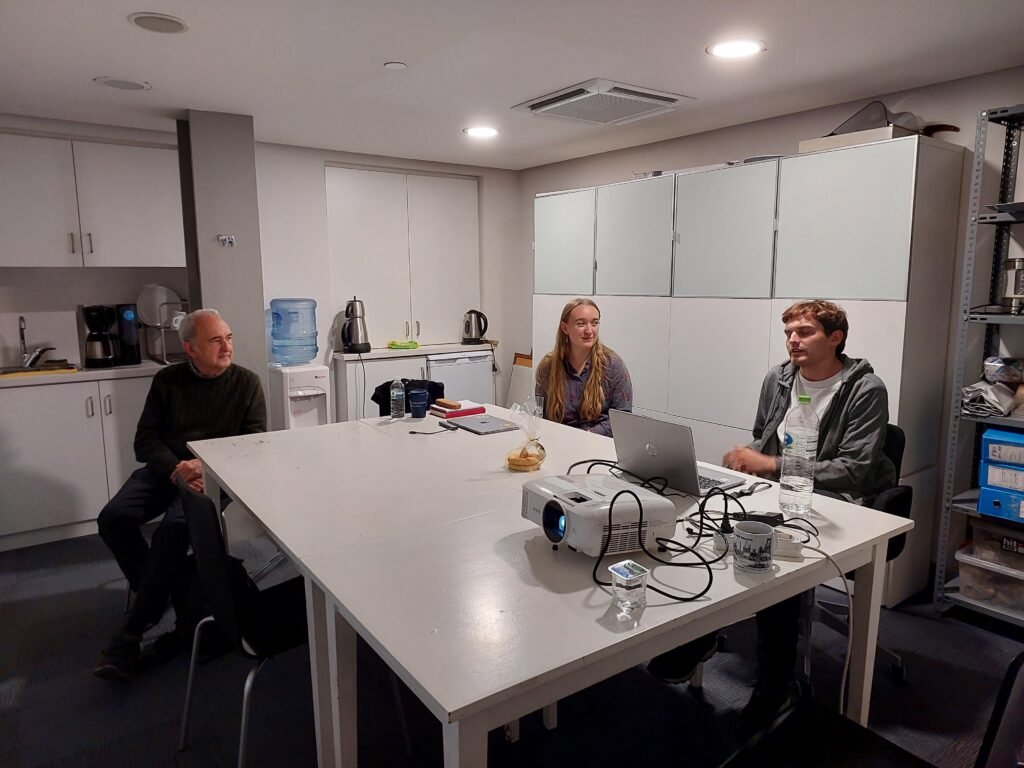
Vincent Engelhardt (Leiden University) focuses on the 1910 smuggling of Mamluk mosque lamps from Istanbul to Berlin and its impact on the early collection of the Evkaf-ı İslâmiye Müzesi in the project Smuggling Islamic Art/ Library History of Ottoman Jerusalem. By combining German and Ottoman archival sources, the research aims to identify the antiquities dealers and other local actors involved, who remain unknown in the literature on Istanbul’s antiquities trade.
Mira de Boose (Utrecht University) examines the sensescapes of seventeenth-century Safavid Isfahan in her project Touch, Materiality, and Sensescapes in the Hammam: A Comparative Study of Seventeenth-Century Isfahan and Istanbul, part of the SENSIS project Rosewater, Nightingale, and Gunpowder: A Sensory History of the Islamic World, c. 1500–1900. Focusing on the hammam and the sense of touch, the research combines material culture, Ottoman visual sources, and visits to surviving bathhouses in Istanbul. It aims to develop a comparative analysis of hammam sensescapes in Isfahan and Istanbul, contributing to debates on connected histories and cultural exchange across the early modern Islamic world.
Miriam Adelina Ocadiz Arriaga (Vrije Universiteit Amsterdam) investigates how racialised migrants contribute to the creation and transmission of urban memory in Istanbul in her project Co-creating Memory with Urban Migrants: Dialogues between Istanbul and Amsterdam. Through archival research and preliminary fieldwork in the historical neighbourhood of Fatih, the research explores how co-creative scholarship can support the recognition of memory practices that official narratives of the city often overlook. It also lays the groundwork for a comparative study of memory, migration, and urbanism across Istanbul, Amsterdam, and Rabat.