
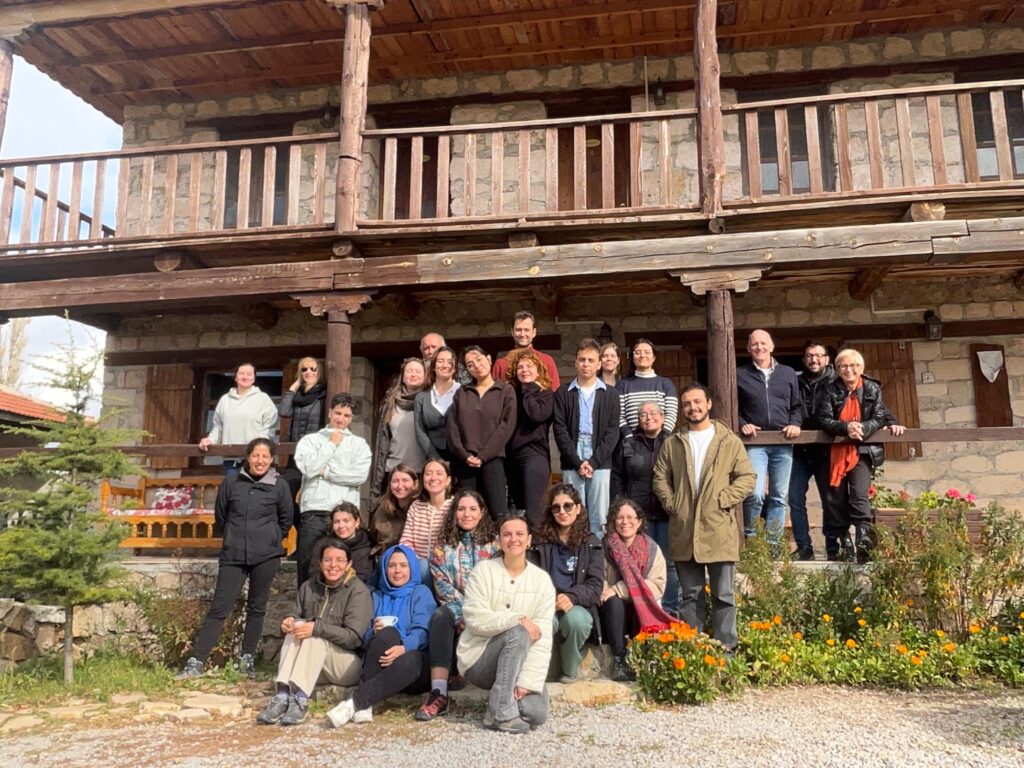
We are pleased to share the latest updates from the Netherlands Institute in Turkey, highlighting a dynamic season of archaeological fieldwork, heritage initiatives, and academic activities. This newsletter brings you an overview of recent discoveries, ongoing projects, upcoming events, and the inspiring work of our 2025 Autumn Fellows.
Upcoming Activities
NIT Day in Amsterdam
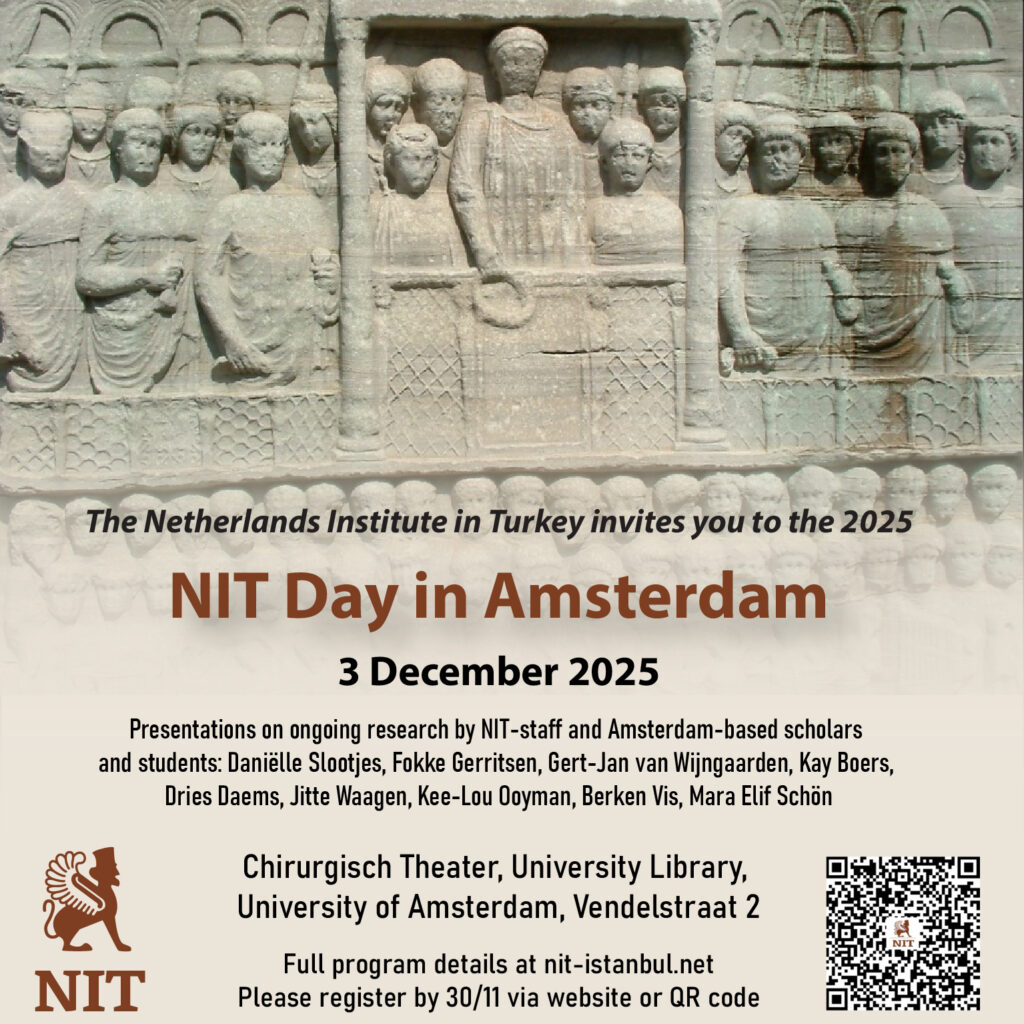
On 3 December 2025, we are organizing the NIT Day in Amsterdam. You can learn about the activities and programs of the Netherlands Institute in Turkey. You can listen to presentations by staff and fellows, hear from former fellows about their experiences in Istanbul, and meet or reconnect with NIT staff and alumni.
The NIT Day in Amsterdam will take place at the Chirurgisch Theater at the University Library of University of Amsterdam. Please fill out the registration form through the QR code or through the link here to attend the NIT Day.
Apply for NIT Spring 2026 Fellowships!

In the spring of 2026, NIT offers two types of fellowships for a research stay at the Netherlands Institute in Turkey (Istanbul). The application deadline is 5 December 2025. Please go here for more information about the fellowships and the application form.
Residential Fellowships
NIT offers four residential fellowships for the spring of 2026. This fellowship offer includes free accommodation in an apartment near the institute and 24/7 access to the NIT library for a period of four weeks.
Deadline for applications: 5 December 2025
Fellowship periods
Period 1: 15 January – 12 February 2026 (2 fellowships)
Period 2: 13 February – 13 March 2026 (2 fellowships)
Non-Residential Fellowships
NIT offers two non-residential fellowships during the spring of 2026. This fellowship includes an allowance of 400 Euros for travel and living expenses and 24/7 access to the NIT library.
Deadline for applications: 5 December 2025
Fellowship period
One month between 15 January and 15 June 2026 (2 fellowships)
Past Activities
Tell Kurdu Excavations
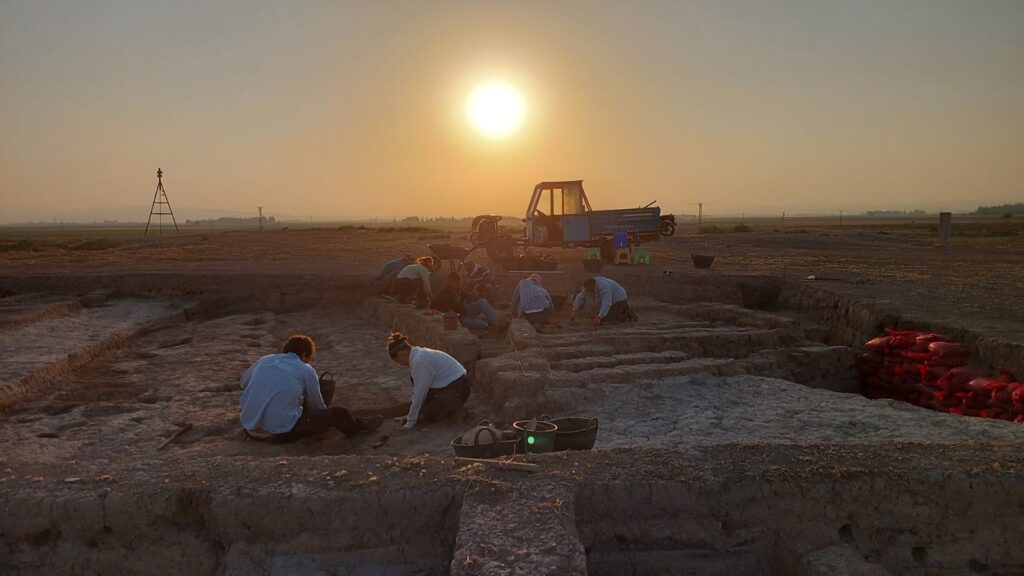
The 2025 season of the Tell Kurdu Excavations took place from July to October. This year has witnessed many great discoveries, some of which made it to the national and international news!
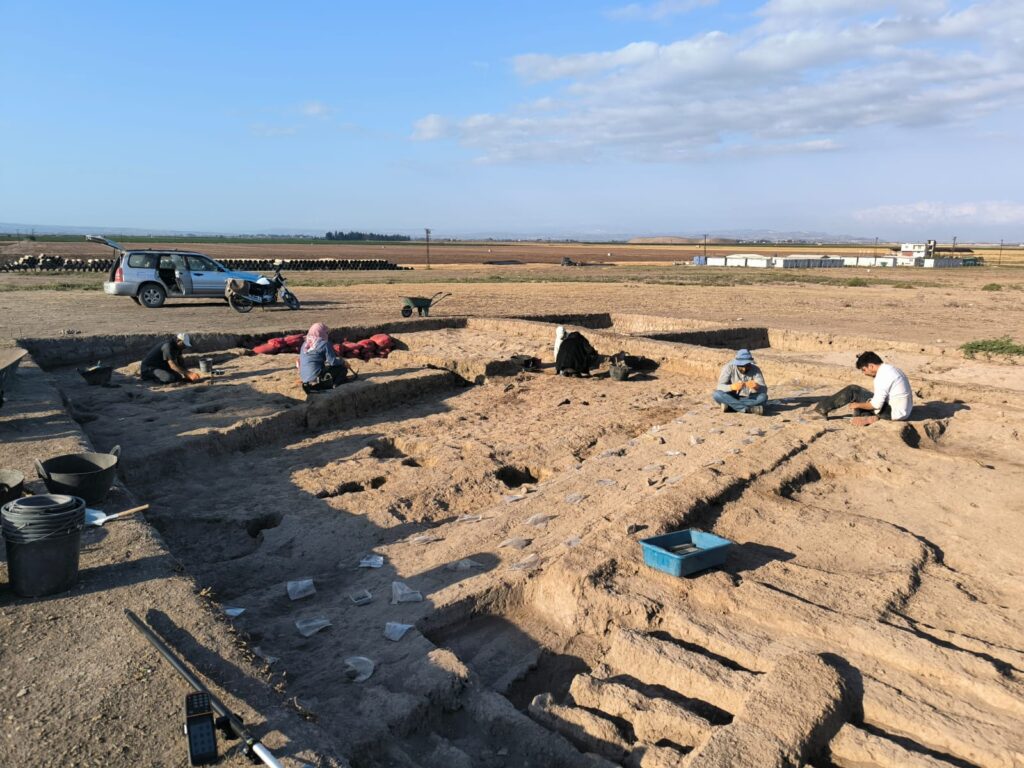
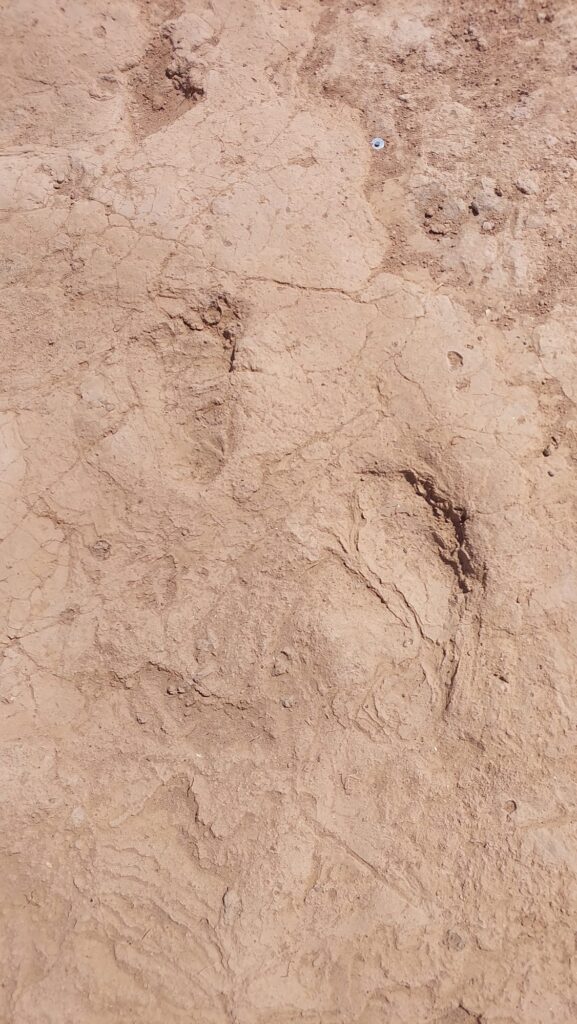
We continued excavating the Amuq E (5th millennium BCE) and Amuq C (6th millennium BCE) occupations. Two new grill-plan structures, separated by a wide street and dating to the 5th millennium BCE, were uncovered at the top of the mound. Here, we also made a rare discovery: footprints of a group of people walking together with their animals. These footprints were on a rather muddy area that dried up and was quickly covered with a sandy deposit, which enabled their preservation throughout the millennia. Many media outlets shared this discovery.
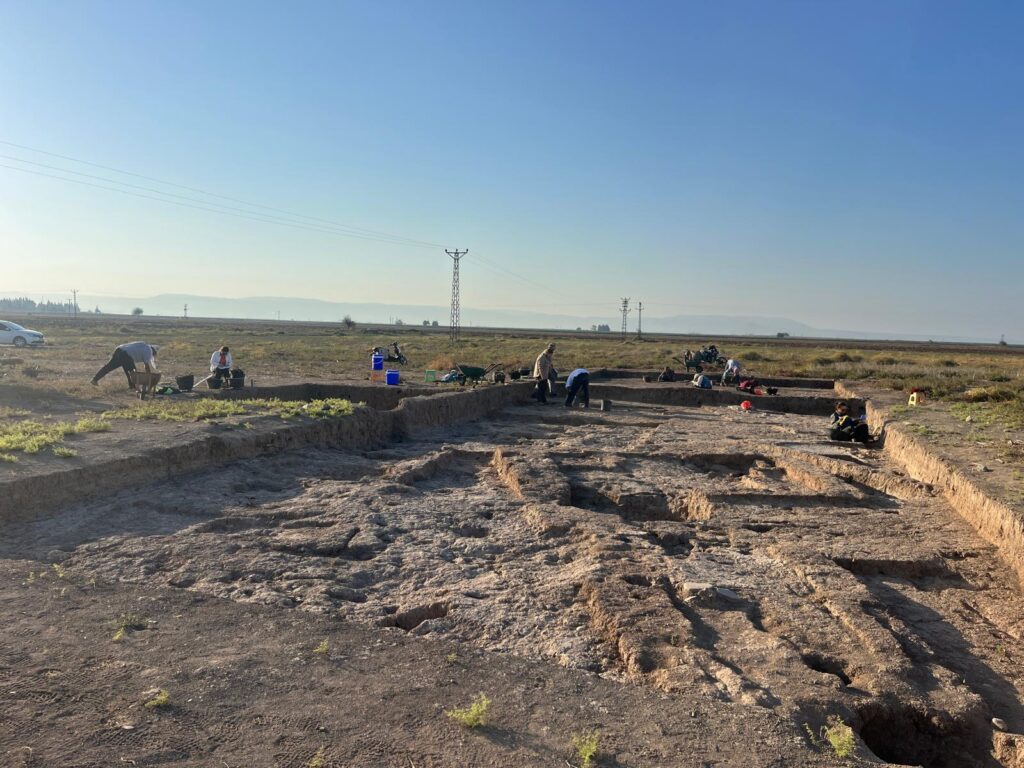
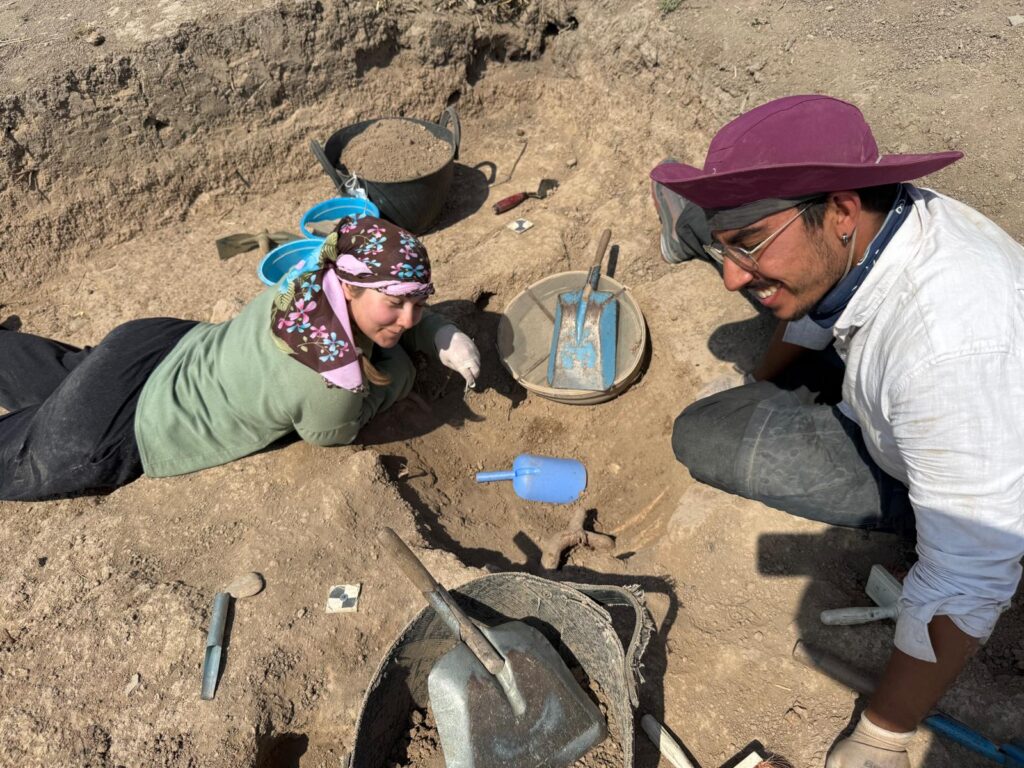
We continued to excavate the Amuq C occupation to the south of the mound. This area appears to be a neighborhood with several buildings, separated by streets, alleys, and courtyards. Several burials of infants and adults were also uncovered in this area. This season, we also opened new trenches dating to the Amuq D occupation, which temporally links the Amuq C (Halaf) and E (Ubaid) occupations. This is a relatively unknown period, referred to as the Halaf-Ubaid transition. The excavations of these trenches did not yield any architecture, but several pits and some fireplaces were found.
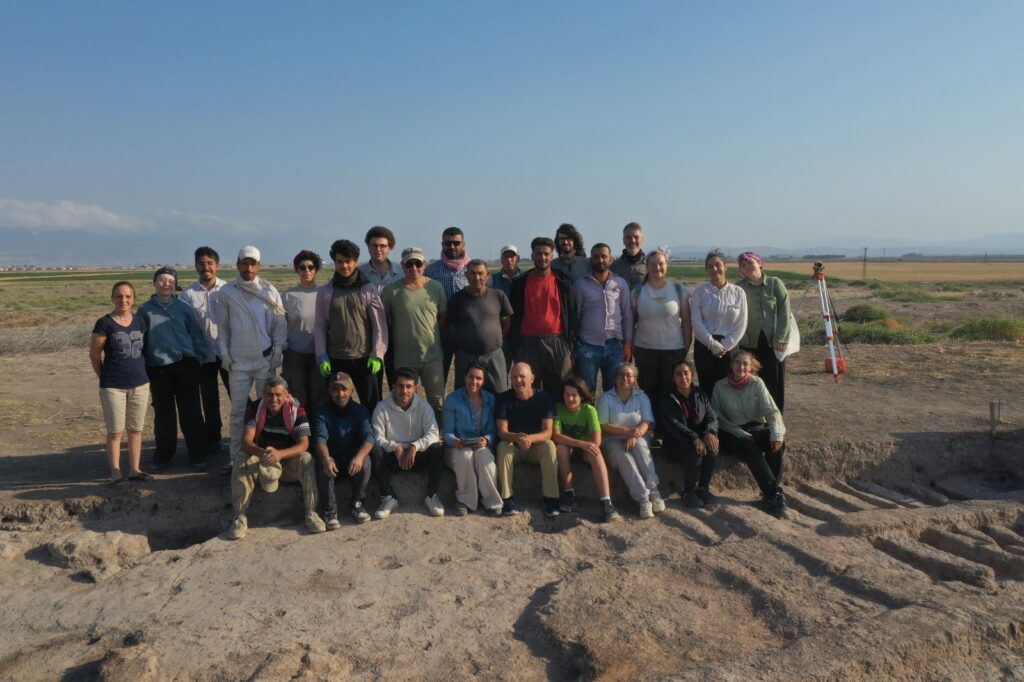
The Tell Kurdu Excavation Project investigates a large settlement site dating from the sixth and fifth millennium BCE in the Amuq Plain in the southern province of Hatay. The excavations are co-directed by Rana Özbal (Koç University) and Fokke Gerritsen (Netherlands Institute in Turkey). The excavations have been ongoing since 2022.
Sustainable Futures for Rural Heritage: Opportunities and Threats in Türkiye and the Netherlands Symposium
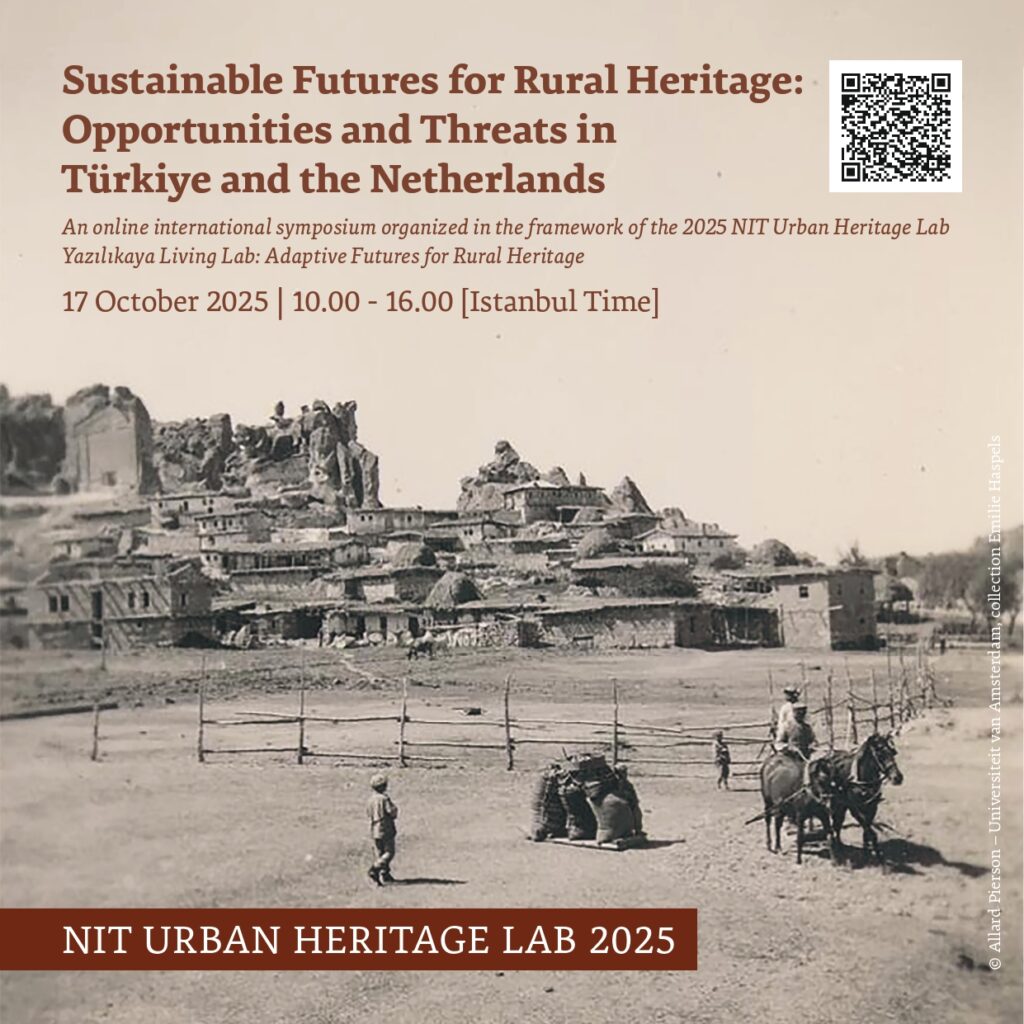
The Sustainable Futures for Rural Heritage: Opportunities and Threats in Türkiye and the Netherlands Symposium, held online on October 17, 2025, explored the potential of tangible and intangible heritage in rural settings to contribute to sustainable developments. As part of the 2025 Urban Heritage Lab, the event facilitated a dialogue among researchers on the issues affecting rural landscapes and their potential to foster sustainable, community-oriented prospects.
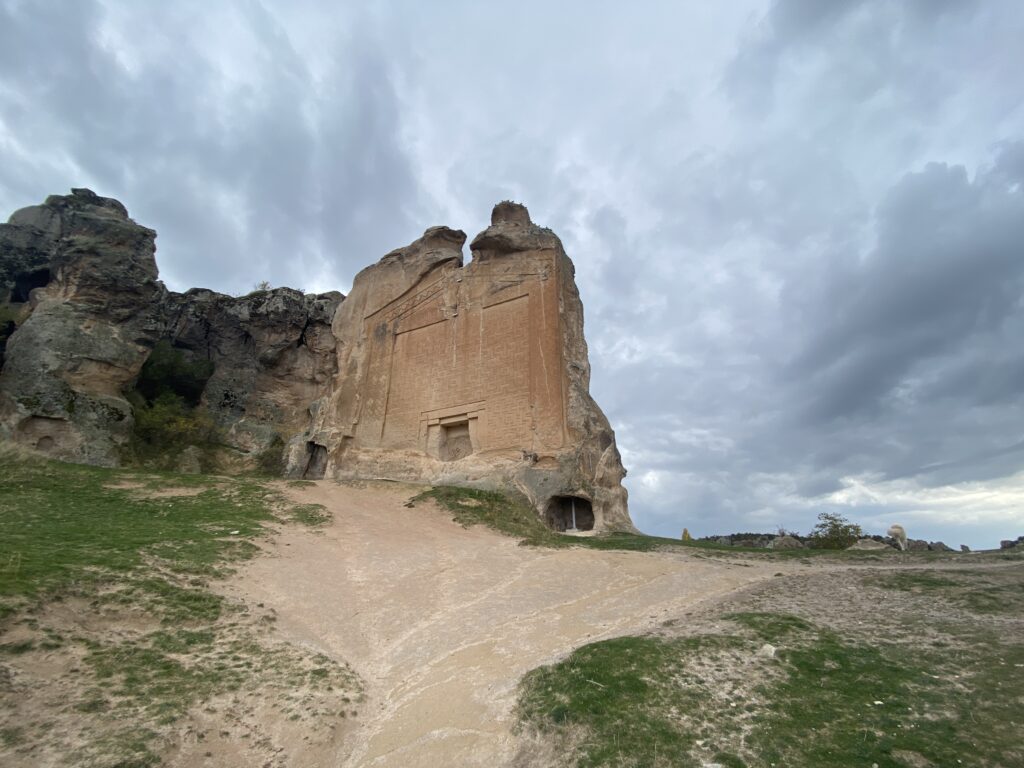
The symposium examined historic rural landscapes as dynamic, multilayered environments, emphasizing that their preservation is inextricably linked to the residing communities. Case studies from the Netherlands and Türkiye highlighted the value of regionally contextualized research methodologies and the critical need for fostering trust among policymakers, heritage professionals, and local communities, illustrating how ecological knowledge, vernacular architecture, and adaptive reuse interact with current political, economic, and environmental pressures.
The symposium’s key message was that the sustainability of rural heritage relies on collaboration, community participation, and a more holistic approach to heritage interpretation, considering both its tangible and intangible elements. The preservation of rural heritage requires maintaining conditions that sustain life, memory, and significance in these environments.
Urban Heritage Lab 2025: Yazılıkaya Living Lab: Adaptive Futures for Rural Heritage
The fifth edition of the NIT Urban Heritage Lab Autumn course, Yazılıkaya Living Lab: Adaptive Futures for Rural Heritage, started in October 2025 with the Sustainable Futures for Rural Heritage: Opportunities and Threats in Türkiye and the Netherlands Symposium. This year, the Lab expands its geographic and conceptual scope, focusing on the Phrygian Highlands (Mountainous Phrygia), a culturally and ecologically significant rural region in west-central Anatolia. Listed on UNESCO’s Tentative List since 2025, the Highlands host a unique concentration of archaeological remains alongside layers of vernacular architecture, living rural traditions, and landscapes shaped by millennia of human-nature interaction.
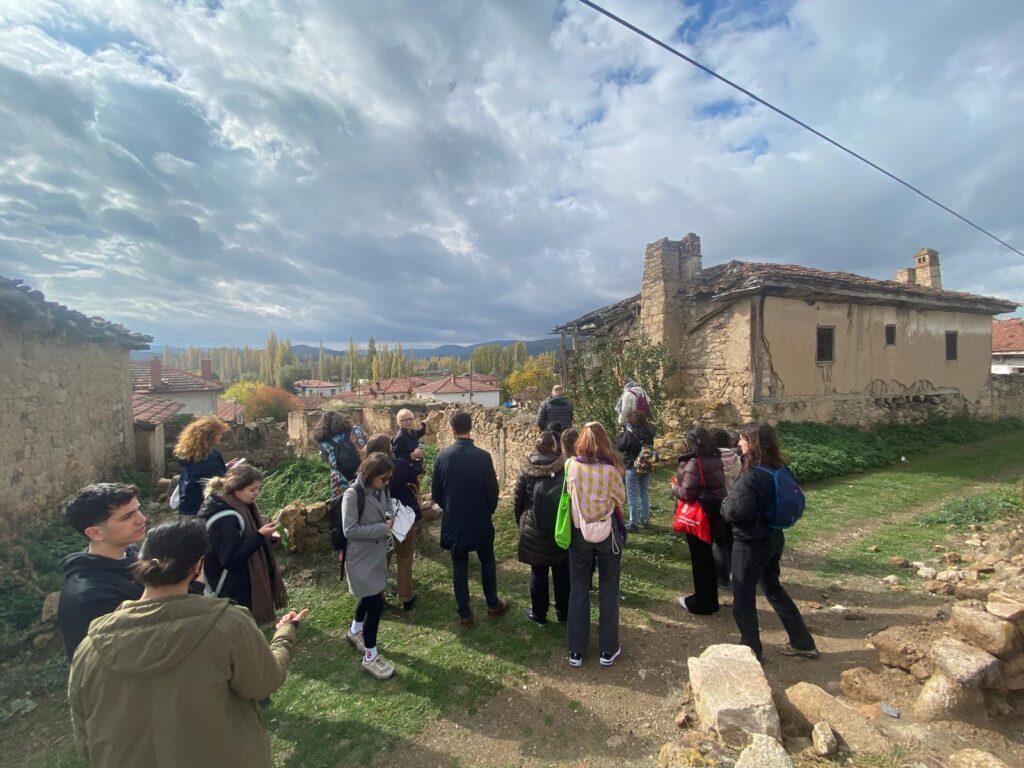
This course provides participants with direct experience of these heritage layers through an intensive program of seminars, fieldwork, and collaborative study. It establishes a long-standing history of Dutch-Turkish collaboration in the region, particularly the pioneering work of archaeologist Emilie Haspels, and explores methods for preserving, reimagining, and activating cultural heritage in the face of climate change, depopulation, and shifting land use patterns. Participants from diverse backgrounds, including architecture, urban planning, heritage conservation, sociology, cultural heritage, archaeology, conflict analysis and resolution, and history, have come together to develop heritage-based strategies that promote sustainability, conservation, and revitalization, engaging with the following interrelated heritage challenges:
- Climate Change and the Resilience of Rural Heritage
- Heritage-Led Rural Development
- Legacy of Emilie Haspels
- Interpretation, Access, and Heritage Communication
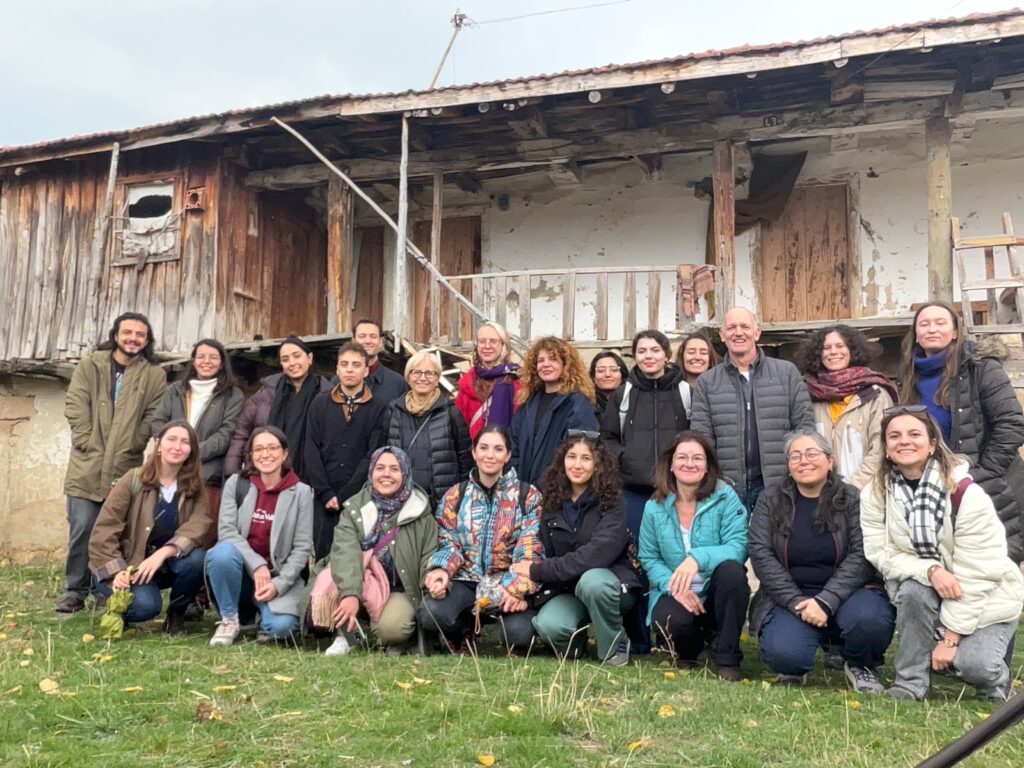
During the field survey in Yazılıkaya Village and the Phrygian Highlands on 23-25 October, the participants had the opportunity to interact with the rural community to better understand the social and cultural life and the challenges the locals face in this region. They also came together and began working on their final group projects under the guidance of Dutch and Turkish scholars. The participants have been following the weekly online public lectures and case study presentations on sustainable conservation and development of rural heritage sites in Türkiye and the Netherlands. The course participants will present their final project proposals in a public meeting on December 12, 2025.
Leiden University Students Visit Istanbul
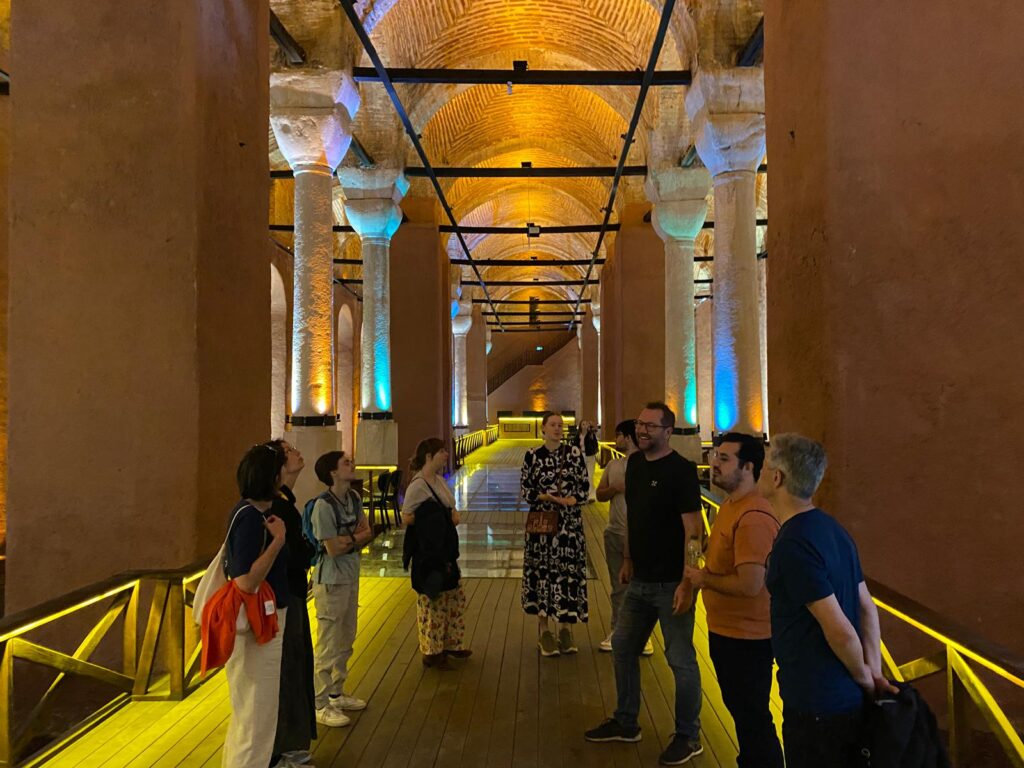
In late September, NIT hosted students and professors of the Ancient Near Eastern Studies track at Leiden University. As part of their course on Critical Heritage Studies, they visited Istanbul to see firsthand the diverse ways in which a city rich in world class heritage deals with the past as a resource for the future.
NIT 2025 Autumn Fellows
In the autumn of 2025, the NIT library welcomed four fellows working on a range of topics from public administration to Ottoman history.
Aslı Aydoğan’s (Leiden University) project examines how algorithmic and data-driven systems in public administration affect key public values such as transparency, accountability, and equality. Using Dutch cases and exploratory research in Turkey, she investigates institutional challenges, compares governance traditions, and aims to support broader discussions on safeguarding public values in the digital era.
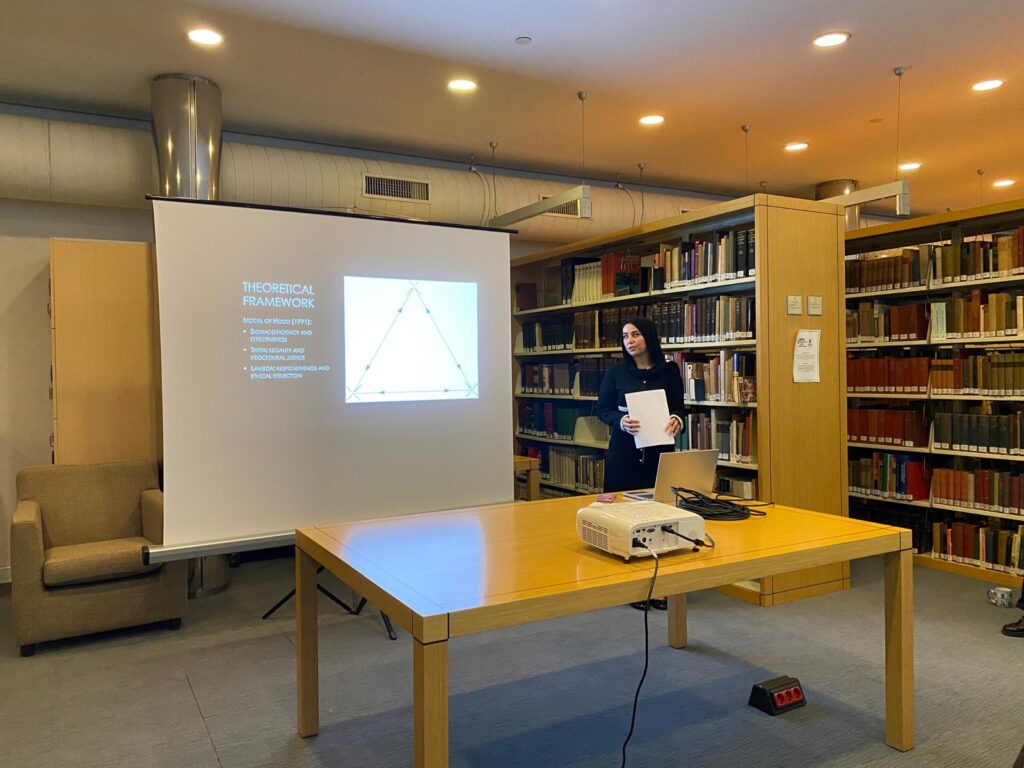
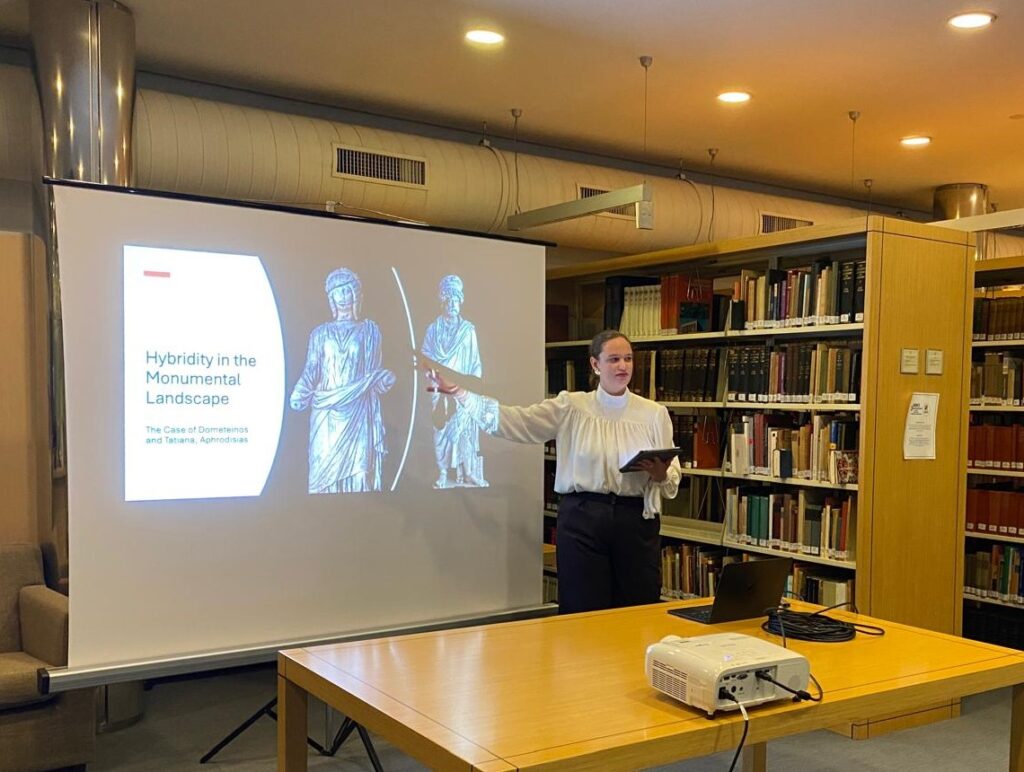
Britt Postema (University of Groningen) worked on her PhD proposal that focuses on the hybrid and dynamic identities of communities in Western Asia Minor during the Principate, examining how urban monuments communicated local culture within the Roman Empire. Focusing on four cities, it explores identity formation beyond Romanisation debates, supported by research opportunities and resources at the NIT.
Besime Alikişioğlu’s (Leiden University) project investigates how sixteenth- and seventeenth-century Ottoman imperial mosques created experiences of sublimity through sound, light, and scale. Focusing on the Süleymaniye and Sultanahmet Mosques, it analyzes Ottoman and European writings alongside field observations, aiming to broaden the concept of the sublime beyond Eurocentric frameworks through cross-cultural and sensory analysis.
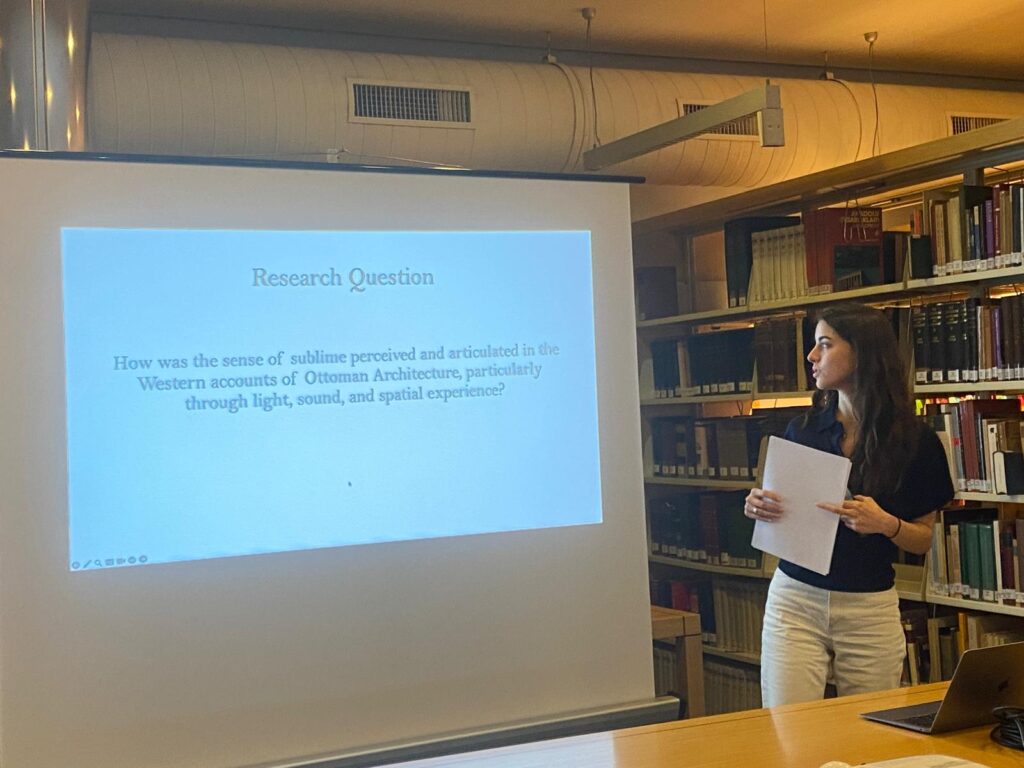
Julia Benedetti‘s (University of Groningen) project explores Izmir’s long Jewish history and the decline of its community, focusing on major restoration efforts, including synagogue rehabilitation, a heritage route, and digitization of the Hidden Rabbinic Library. Her research analyzes preservation challenges and benefits from research access in Istanbul, including connections with experts and resources at the NIT.
Senna Felius‘s (SOAS University of London & University of Amsterdam) project examines how Cem Sultan’s image circulated between Europe and the Ottoman Empire, focusing on Ottoman chronicles, court-library inventories, and European depictions. During her research stay at NIT she has been consulting key manuscripts, helping reconstruct how Cem’s captivity was narrated, suppressed, and reshaped across early modern trans-Mediterranean cultural networks.
Ebubekir Düzcan (Utrecht University) examines the multicultural entertainment world of late Ottoman Istanbul and the spread of the cinematograph across Pera and Direklerarası. A month at the NIT enables archival research, site-based analysis, and collaboration, supporting both my academic study and my related screenplay on Istanbul’s early cinematic culture.
News from the NIT Staff
Internship by Ersin Çilek
Ersin is a BA student at the Saxion University of Applied Sciences. He was at NIT for two months, working on the Barcın Höyük excavation data. His research focused on the Neolithic structures. During this study, he analyzed four Neolithic structures to understand and visualize their life cycles. As the Barcın Höyük excavations ended about a decade ago, he used the database and short daily reports to compile crucial information about each structure.
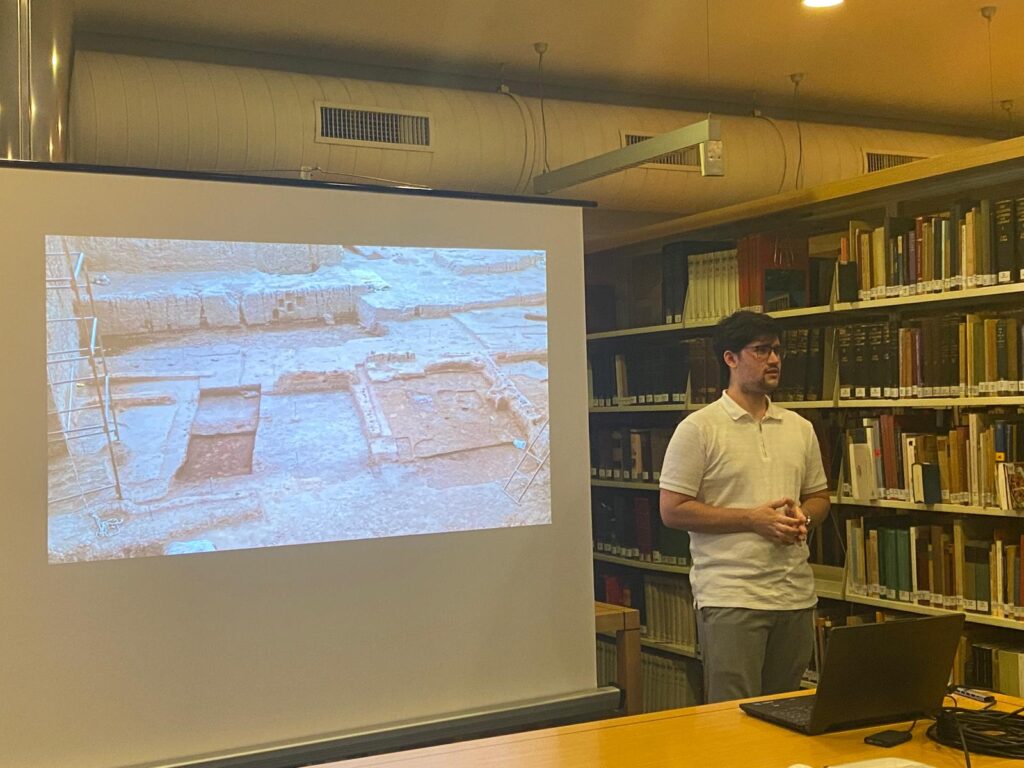
Ersin is a BA student at the Saxion University of Applied Sciences. He was at NIT for two months, working on the Barcın Höyük excavation data. His research focused on the Neolithic structures. During this study, he analyzed four Neolithic structures to understand and visualize their life cycles. As the Barcın Höyük excavations ended about a decade ago, he used the database and short daily reports to compile crucial information about each structure.
Publications
Archaeological Heritage and Liveable Cities: Revalorizing the Archaeology of Roman Ankara
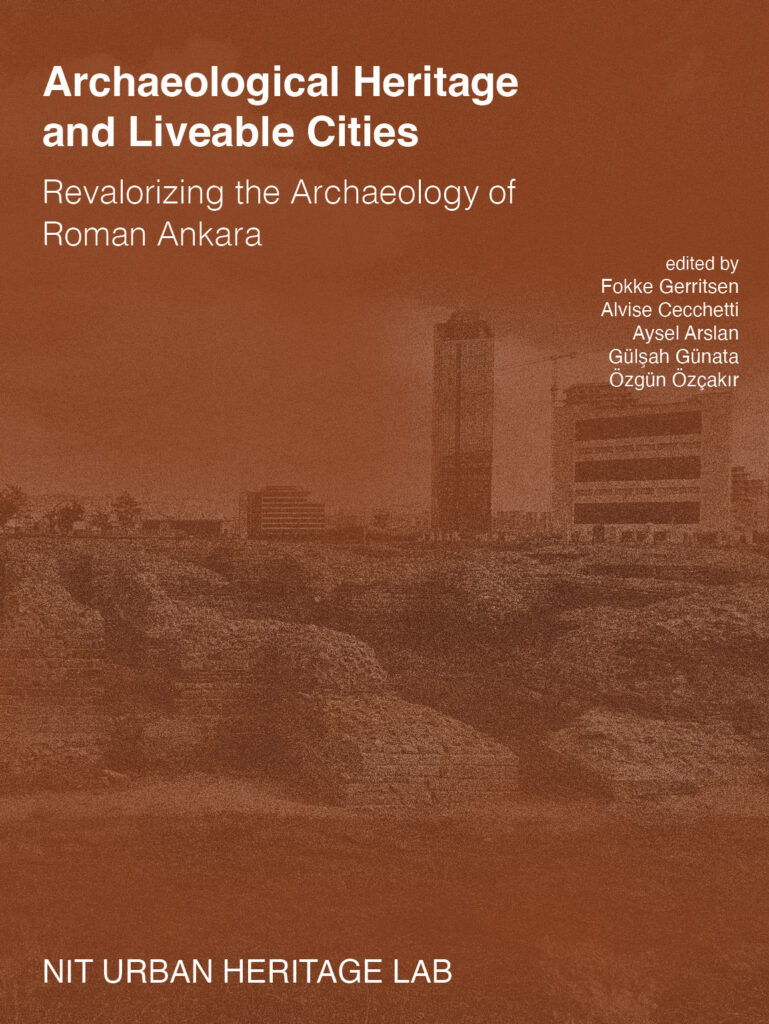
We are happy to announce the publication of our new book, Archaeological Heritage and Liveable Cities: Revalorizing the Archaeology of Roman Ankara.
In the autumn of 2023, the Netherlands Institute in Turkey (NIT) offered a graduate-level course program entitled “NIT Urban Heritage Lab: Archaeological Heritage and Liveable Cities.” It revolved around archaeological heritage in urban settings and asked how this particular class of heritage sites can contribute to the liveability of cities and the sustainability of urban life. This book presents proposals that were developed by four interdisciplinary and international teams as part of the course.
You can download the PDF version of the book here.
Anatolica
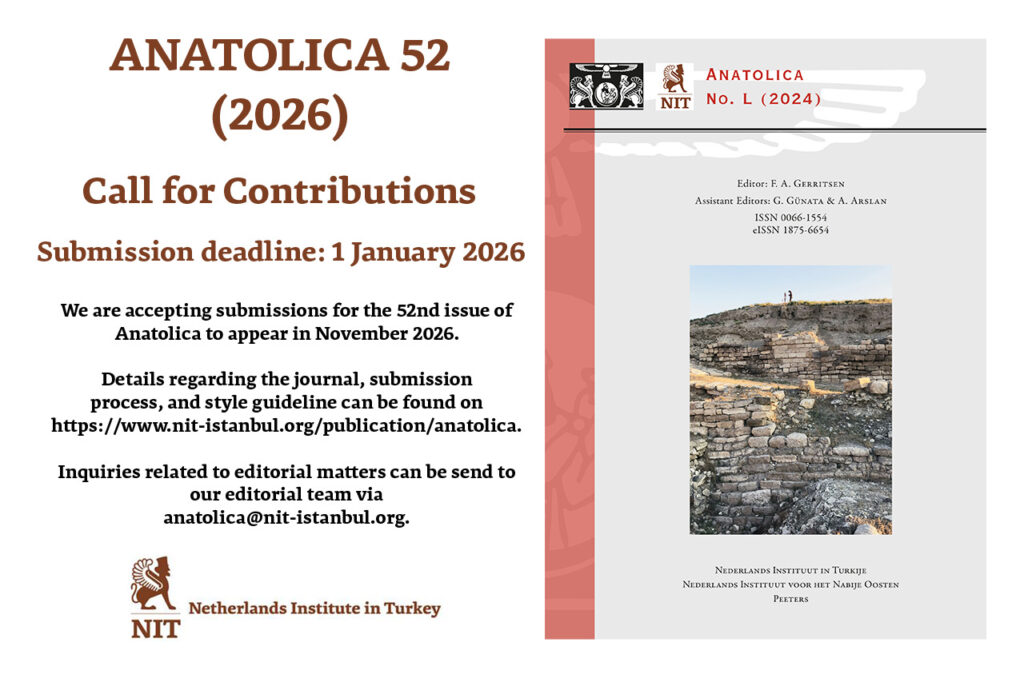
Anatolica Issue 51 is scheduled to appear very soon, before the end of 2025. Submissions for volume 52 to be published in the fall of 2026 can be submitted until January 1, 2026. Anatolica is published by Peeters Publishers under the aegis of the Netherlands Institute in Turkey; the editorial team is Fokke Gerritsen (editor in chief), Gülşah Günata and Aysel Arslan (assistant editors). Please go here for details about publishing in Anatolica.